

Vitamin c (1 piece)
 Breakfast
116 mg/dL
avg. peak value
Usually causes a small spike
Avg. Food Score on Ultrahuman App
Ultrahuman Users got a STABLE response
How to consume Vitamin C without glucose spikes
Pair with Protein
Include a source of protein such as nuts, seeds, or Greek yogurt when consuming foods high in Vitamin C. Protein can help slow the absorption of glucose into the bloodstream.
Add Healthy Fats
Incorporate healthy fats like avocado, olive oil, or nut butters. These fats can help stabilize blood sugar levels by slowing digestion.
Choose Fiber-Rich Foods
Increase your intake of fiber by adding foods such as lentils, beans, or whole grains like quinoa or barley. Fiber can help control glucose spikes by slowing down the digestion process.
Opt for Whole Fruits
Instead of fruit juices or supplements, consume whole fruits like oranges or strawberries. The natural fiber in whole fruits can help moderate the absorption of sugar.
Stay Hydrated
Drink plenty of water throughout the day. Proper hydration can aid in maintaining stable blood sugar levels.
Mindful Eating
Eat slowly and savor your food. This practice can help prevent overeating and allow your body to manage glucose levels more effectively.
Regular Physical Activity
Engage in regular physical activity, such as walking, cycling, or yoga. Exercise helps improve insulin sensitivity and can moderate glucose spikes.
Portion Control
Be mindful of portion sizes when consuming foods high in Vitamin C to avoid excessive intake that could lead to spikes.
Combine with Low-Carb Vegetables
Incorporate low-carbohydrate vegetables like spinach, broccoli, or cauliflower into your meals. They can help balance the meal's overall impact on glucose levels.
Monitor Blood Sugar Levels
Keep track of your blood sugar levels to better understand how your body reacts to Vitamin C-rich foods and adjust your dietary choices accordingly.
Discover
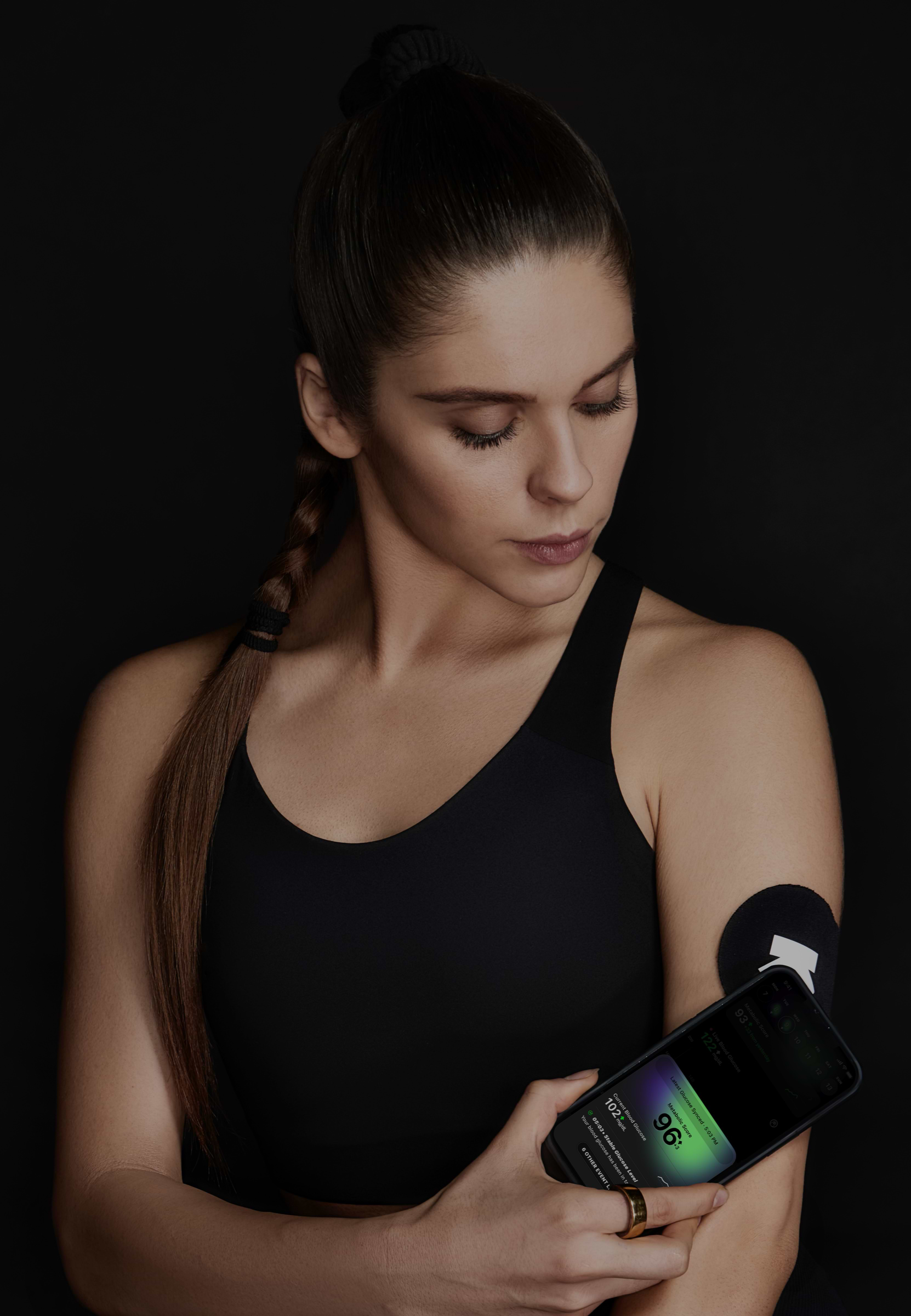
metabolic
health with M1
Ultrahuman M1 helps you measure the impact of food and activity on your body in real time through glucose as a biomarker.
Explore Ultrahuman M1Find Glucose response for your favourite foods
Explore OGDbYour cart is empty
Browse through our products and find something for you.