

Kale (1 Cup, Chopped)
 Lunch
Lunch
108 mg/dL
avg. peak value
Usually causes a medium spike
Avg. Food Score on Ultrahuman App
Ultrahuman Users got a STABLE response
How to consume Kale without glucose spikes
Pair with Protein
Include a source of lean protein like chicken breast, tofu, or lentils when consuming kale. Protein can help moderate blood sugar levels by slowing down the absorption of carbohydrates.
Add Healthy Fats
Incorporate healthy fats such as avocado, nuts, or seeds. These fats can help slow the digestion and absorption of kale, thus reducing the spike.
Include Fiber-Rich Foods
Combine kale with other fiber-rich foods such as beans, legumes, or whole grains like quinoa. The additional fiber can aid in stabilizing blood sugar levels.
Use Vinegar-Based Dressings
Dress your kale salad with vinegar-based dressings, such as those made with apple cider vinegar or balsamic vinegar, which may help improve insulin sensitivity.
Incorporate Cinnamon
Sprinkle a bit of cinnamon on your kale dishes. Cinnamon is known for its potential to help regulate blood sugar levels.
Control Portion Sizes
Be mindful of the portion size of kale you consume to prevent excessive intake, which could lead to a glucose spike.
Stay Hydrated
Drink water throughout the day to maintain hydration, which is essential for overall metabolic function and can support healthy blood sugar levels.
Eat Whole Meals
Include kale as part of a balanced meal rather than eating it in isolation. Meals that contain a variety of nutrients can help manage blood sugar responses more effectively.
Monitor Timing
Consider the timing of your kale intake. Eating kale during meals rather than as a separate snack can help integrate it into a balanced diet.
Consider Cooking Methods
Slightly steaming or cooking kale can reduce its impact on blood sugar compared to eating it raw, as cooking can make its fibers more digestible.
Discover
metabolic
health with M1
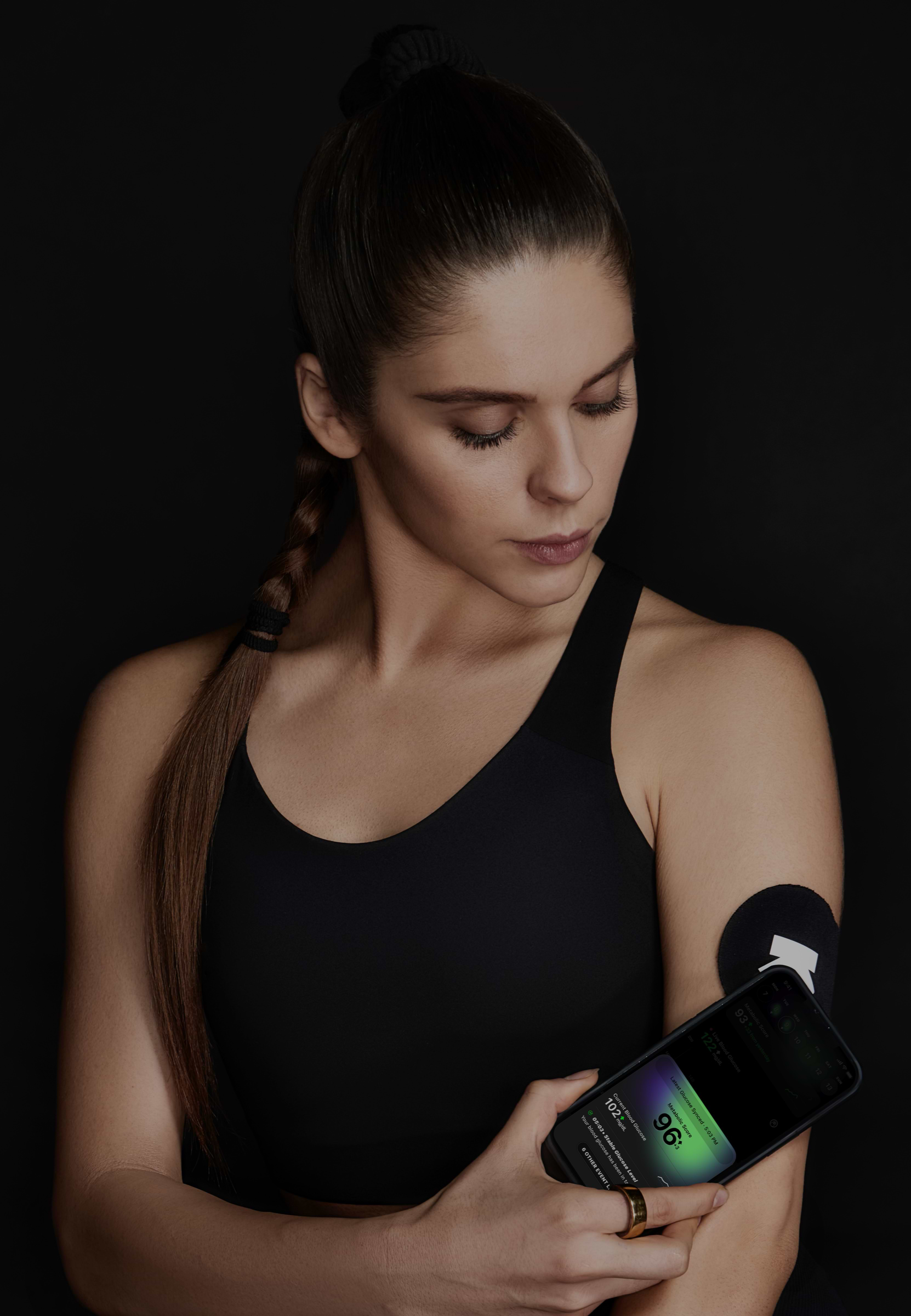
Ultrahuman M1 helps you measure the impact of food and activity on your body in real time through glucose as a biomarker.
Explore Ultrahuman M1Find Glucose response for your favourite foods
Explore OGDbYour cart is empty
Browse through our products and find something for you.