

Indian dinner (1 piece)
 Dinner
118 mg/dL
avg. peak value
Usually causes a medium spike
Avg. Food Score on Ultrahuman App
Ultrahuman Users got an UNSTABLE response
Other related foods
- fried whole wheat puri or poori bread indian puffed bread
- aloo sabzi fried whole wheat puri or poori bread indian puffed bread
- indian paneer cheese
- english indian filter coffee
- english indian bhelpuri
- english indian pongal rice
- english indian fox nuts
- english indian paneer roll
- english indian chole bhature
- english indian vegetarian thali
How to consume Indian dinner without glucose spikes
Portion Control
Reduce the portion size of high-carbohydrate foods like rice or naan. Opt for smaller servings to minimize the impact on your blood sugar.
Incorporate More Vegetables
Include a variety of non-starchy vegetables such as spinach, broccoli, cauliflower, and bell peppers in your meal. These are low in carbs and can help balance your meal.
Choose Whole Grains
If possible, switch to whole grain options like brown rice or whole wheat roti instead of white rice or regular naan to slow down the absorption of carbohydrates.
Add Protein
Include a good source of protein such as lentils (dal), chickpeas (chana), paneer, chicken, or fish. Protein can help balance your meal and reduce spikes in blood sugar.
Healthy Fats
Incorporate healthy fats like avocado, nuts, or seeds, as they can help slow the absorption of carbohydrates and provide a sense of satiety.
Balanced Meal Composition
Aim for a balanced plate with a good mix of protein, healthy fats, and fiber along with your carbohydrates. This combination can help stabilize blood sugar levels.
Mindful Eating
Eat slowly and chew your food thoroughly. This can improve digestion and help moderate blood sugar levels.
Hydration
Drink water before and during your meal to stay hydrated and aid digestion, but avoid sugary drinks.
Post-Meal Activity
Consider taking a short walk after your meal. Physical activity can help your body manage blood sugar levels more effectively.
Monitor and Adjust
Pay attention to how different foods affect your blood sugar levels and adjust your meal choices accordingly. Keep track of what works best for you.
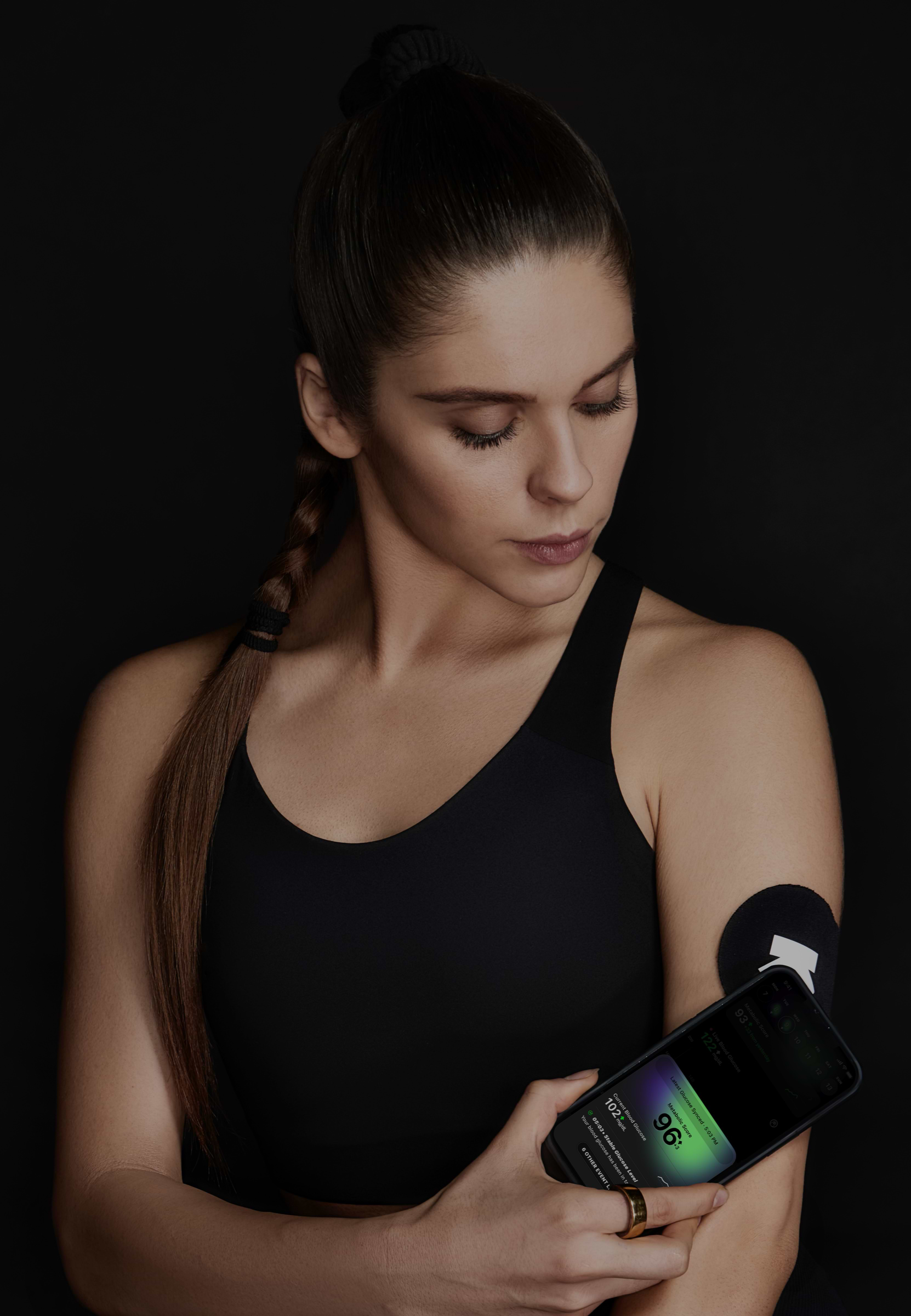
Discover
metabolic
health with M1
Ultrahuman M1 helps you measure the impact of food and activity on your body in real time through glucose as a biomarker.
Explore Ultrahuman M1Find Glucose response for your favourite foods
Explore OGDbYour cart is empty
Browse through our products and find something for you.