

Home Made - Kadi Pakodi (1 cupcooked)
 Afternoon Snack
143 mg/dL
avg. peak value
Usually has a stable response
Avg. Food Score on Ultrahuman App
Ultrahuman Users got a STABLE response
How to consume Home Made - Kadi Pakodi without glucose spikes
Portion Control
Limit the amount of Kadi Pakodi you consume in one sitting. Smaller portions will lead to smaller glucose spikes.
Balanced Meal
Pair Kadi Pakodi with foods high in fiber, protein, or healthy fats, such as leafy greens, grilled chicken, or avocado. This combination can help slow the absorption of glucose.
Add Vegetables
Incorporate non-starchy vegetables such as spinach, kale, or broccoli into your meal. These can help moderate blood sugar levels.
Include Whole Grains
If you have Kadi Pakodi with rice, opt for whole grains like brown rice or quinoa instead of white rice to help manage glucose levels.
Pre-Meal Exercise
Engage in light physical activity, such as walking, before your meal to improve insulin sensitivity and help your body manage glucose levels better.
Stay Hydrated
Drink plenty of water throughout the day. Proper hydration can aid in maintaining stable blood sugar levels.
Add Cinnamon
Sprinkle cinnamon on your meal or in a drink. It has properties that may help regulate blood sugar levels.
Eat Slowly
Take your time and chew your food thoroughly to give your body a chance to manage the glucose influx better.
Monitor Ingredients
Use chickpea flour for the pakodi instead of refined flour and minimize oil to reduce the potential for glucose spikes.
Post-Meal Activity
After eating, consider a gentle walk to help with digestion and blood sugar management.
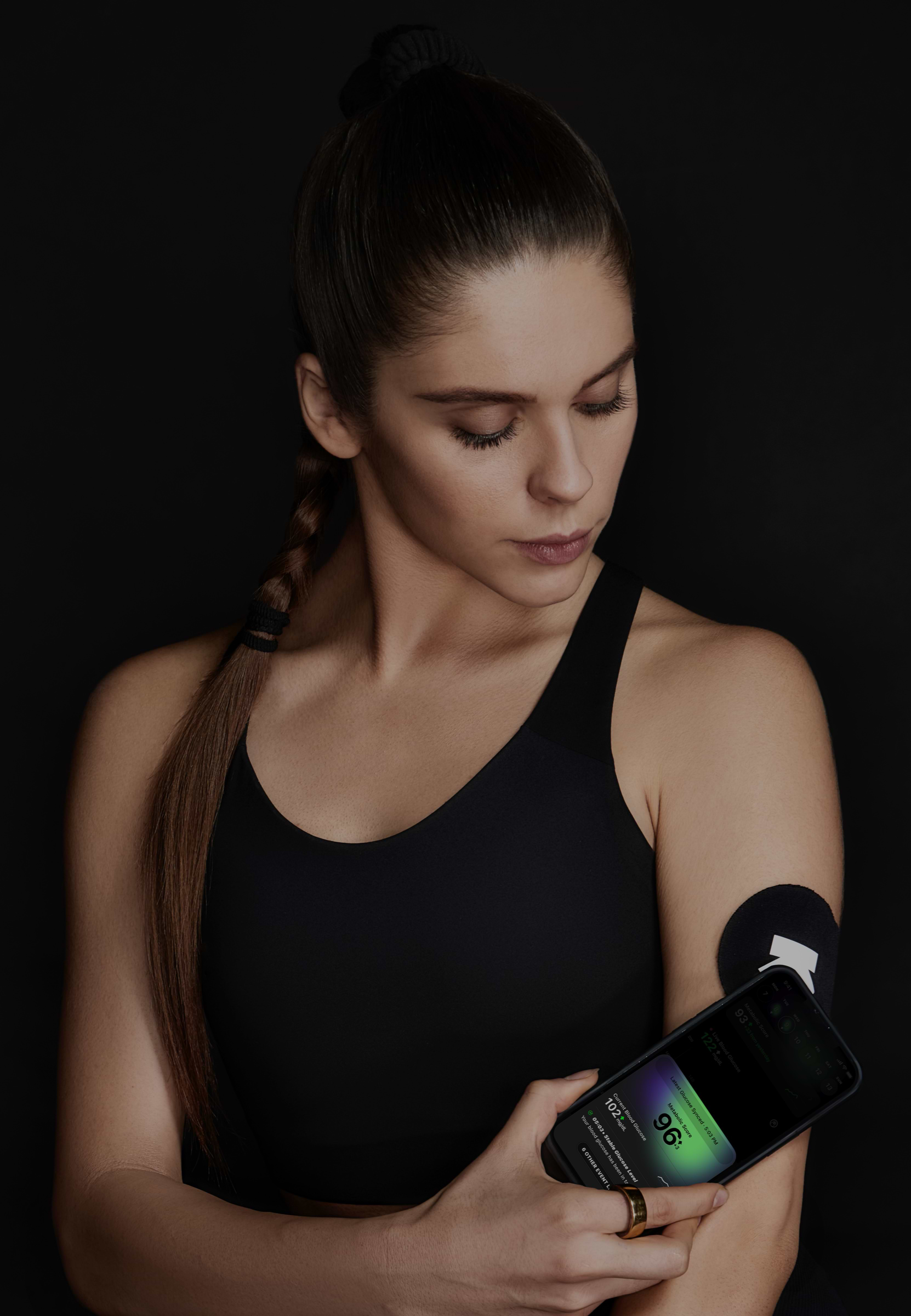
Discover
metabolic
health with M1
Ultrahuman M1 helps you measure the impact of food and activity on your body in real time through glucose as a biomarker.
Explore Ultrahuman M1Find Glucose response for your favourite foods
Explore OGDbYour cart is empty
Browse through our products and find something for you.