
Khichdi (1 Cup, Cooked) and English Raita (1 Serving (30g))
 Dinner
126 mg/dL
avg. peak value
Usually causes a small spike
Avg. Food Score on Ultrahuman App
Ultrahuman Users got a STABLE response
How to consume english raita, khichdi without glucose spikes
Portion Control
Start by reducing the portion size of both the raita and the khichdi. Smaller portions can result in a lower glucose response.
Add Fiber
Incorporate more fiber into your meal by adding vegetables such as spinach, peas, or carrots to the khichdi. You can also add chopped cucumber or grated carrots to the raita.
Include Protein
Add a source of protein like boiled eggs, grilled chicken, or tofu alongside your meal. Protein can help moderate blood sugar levels.
Healthy Fats
Include healthy fats such as a small serving of nuts or seeds, or a drizzle of olive oil into your meal to slow down carbohydrate absorption.
Combine with Low-Carb Foods
Pair your meal with a side of leafy greens or a salad to balance the carbohydrate content.
Monitor Cooking Time
Cook the rice in khichdi for a shorter time to make it less starchy. Al dente rice has a slower glucose release compared to well-cooked rice.
Use Brown Rice or Quinoa
Substitute white rice in your khichdi with brown rice or quinoa for a slower glucose release.
Stay Hydrated
Drink plenty of water before your meal to help with digestion and absorption of nutrients.
Add Spices
Incorporate spices like cinnamon or fenugreek seeds in your khichdi, which can help in managing blood sugar levels.
Eat Mindfully
Chew your food slowly and enjoy your meal without distractions. Mindful eating can improve digestion and help regulate blood sugar levels.
Discover
metabolic
health with M1
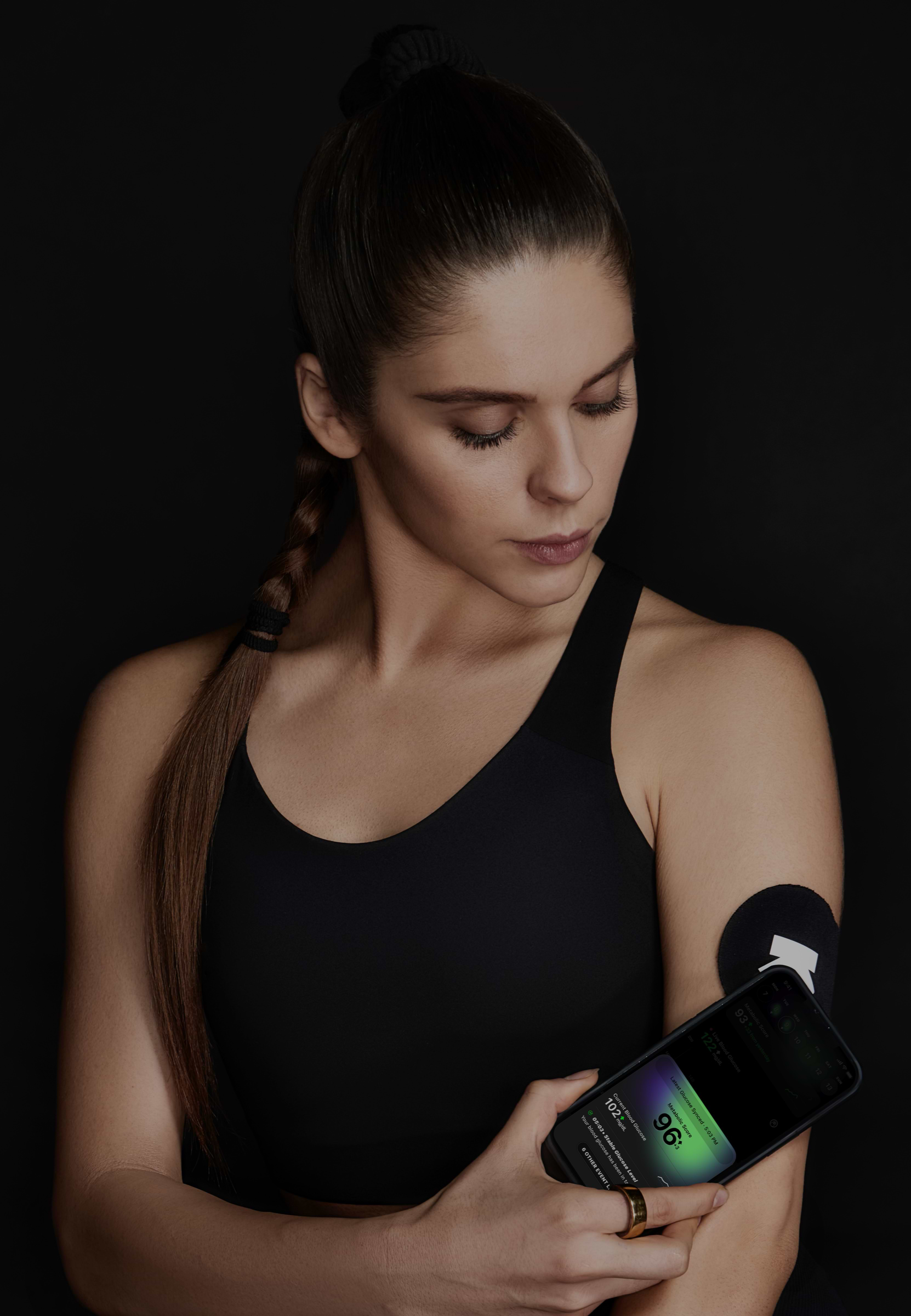
Ultrahuman M1 helps you measure the impact of food and activity on your body in real time through glucose as a biomarker.
Explore Ultrahuman M1Find Glucose response for your favourite foods
Explore OGDbYour cart is empty
Browse through our products and find something for you.