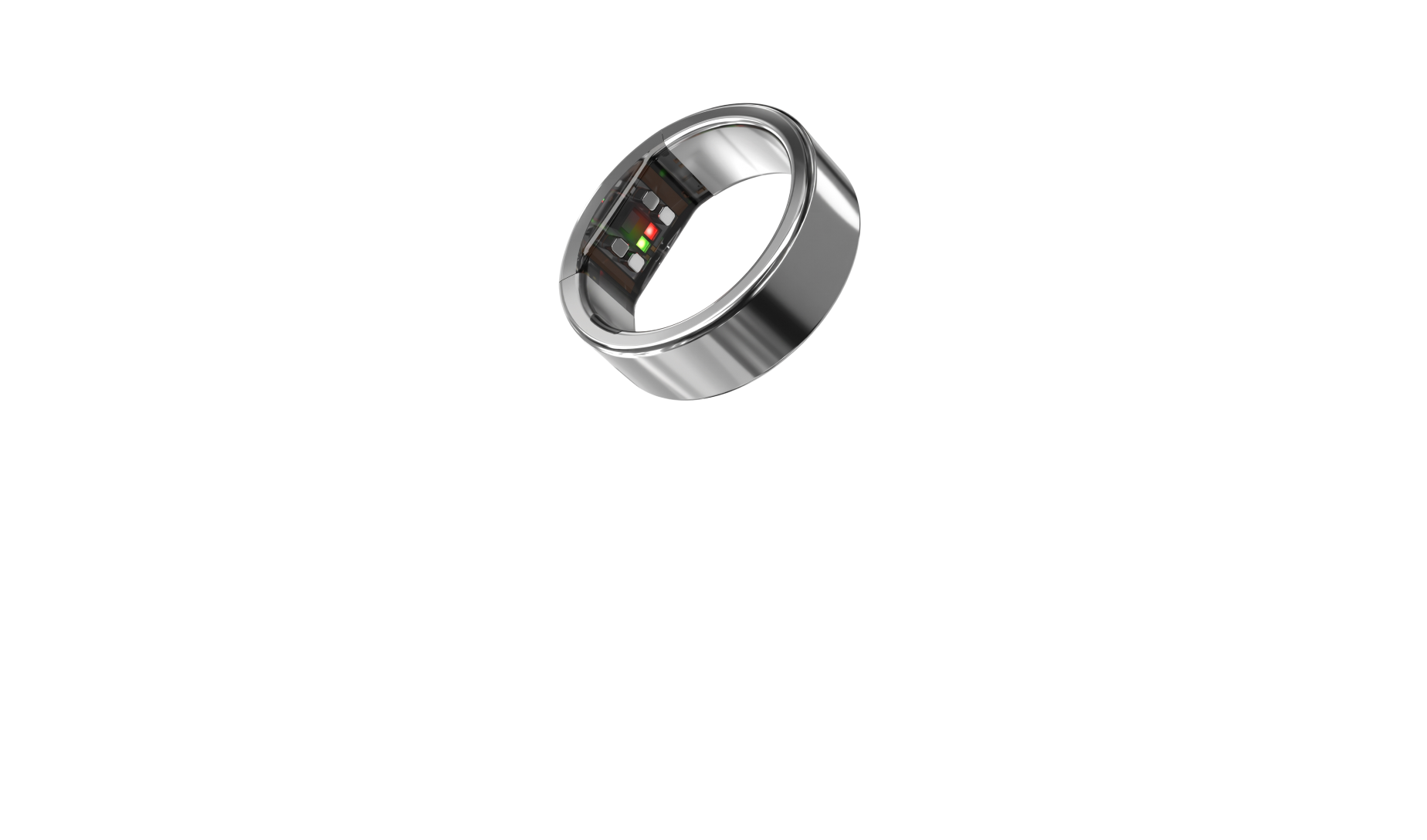
Ring PROEngineered to add more intelligence and more power for your every adventure.

Choose the ring built for you.
Train, test and recover at our Bengaluru facility.

 Dinner
avg. peak value
Usually causes a large spike
Avg. Food Score on Ultrahuman App
Ultrahuman Users got an UNSTABLE response
Consuming protein-rich foods such as grilled chicken, tofu, or lentils alongside baati can help slow down the absorption of glucose into the bloodstream.
Incorporate healthy fats like avocado, nuts, or seeds into your meal. These fats can moderate the rise in blood sugar levels after eating.
Add high-fiber vegetables such as spinach, broccoli, or bell peppers to your plate. Fiber can help in slowing down the digestion and absorption of carbohydrates.
Reduce the amount of baati you consume in one sitting. A smaller portion can lead to a more manageable increase in blood sugar levels.
Drink plenty of water before and after your meal. Proper hydration can aid in the metabolism of carbohydrates and help maintain stable blood sugar levels.
Engage in a light walk or some form of physical activity after your meal. This can help in utilizing the glucose in your bloodstream more efficiently.
Add a splash of vinegar to your meal as a dressing or condiment. Vinegar can help improve insulin sensitivity and reduce the impact of carbohydrates.
If making baati at home, consider using whole grain or multigrain flour. Whole grains digest more slowly, leading to a more gradual rise in blood sugar.
Eat slowly and chew your food thoroughly. This can aid digestion and help your body process carbohydrates more efficiently.
Keep track of your blood sugar levels before and after meals to understand how your body responds and make adjustments as needed.
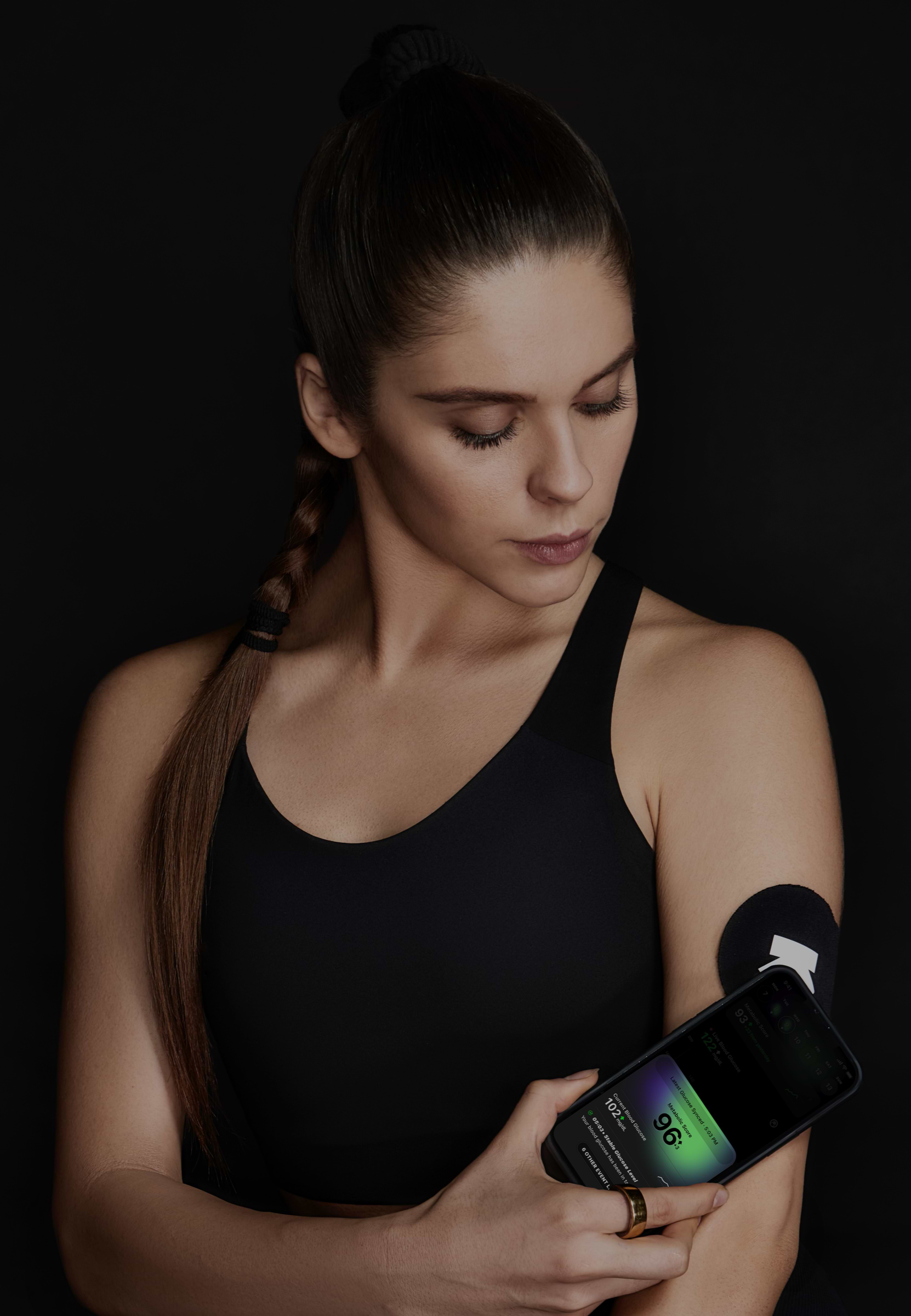
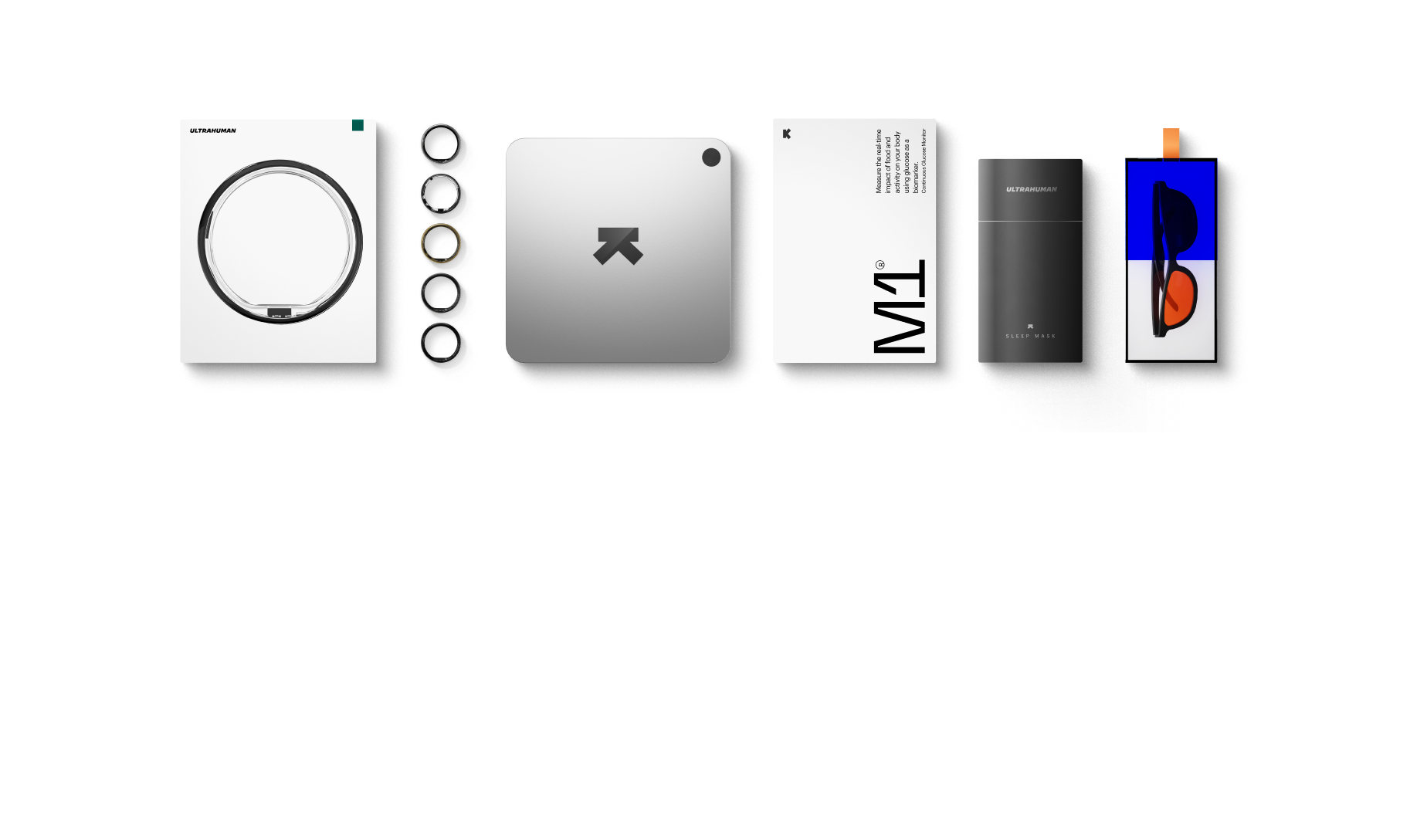
Ultrahuman M1 helps you measure the impact of food and activity on your body in real time through glucose as a biomarker.
Explore Ultrahuman M1Find Glucose response for your favourite foods
Explore OGDbLooks like you haven't added anything yet. Explore our products to get started.