

Probiotic Dahi (Mother Dairy) (1 Serving), Ghiya (Hommade) (1 Serving), Cooked Okra (100 G) and Mixed Salad Greens (1 Cup, Shredded Or Chopped)
 Lunch
Lunch
101 mg/dL
avg. peak value
Usually causes a small spike
Avg. Food Score on Ultrahuman App
Ultrahuman Users got a STABLE response
How to consume cooked okra, ghiya, mixed salad greens, probiotic dahi without glucose spikes
Portion Control
Reduce the portion size of each food item in your meal to help manage the glucose spike.
Balance with Protein
Add a source of lean protein such as grilled chicken, tofu, or legumes to your meal. This can help slow down the absorption of carbohydrates.
Incorporate Healthy Fats
Include healthy fats like avocado slices, nuts, or seeds in your salad. Fats can slow digestion and prevent rapid glucose spikes.
Increase Fiber Intake
Add more fiber-rich vegetables such as broccoli, spinach, or kale to your meal. This can help slow glucose absorption.
Timing of Meals
Try eating smaller, more frequent meals throughout the day instead of large meals, which can help maintain more stable glucose levels.
Chew Slowly
Eating slowly and thoroughly chewing your food can aid digestion and help control post-meal glucose levels.
Stay Hydrated
Drink plenty of water throughout the day, as proper hydration can support overall metabolic processes.
Physical Activity
Engage in light physical activity, such as a short walk, after eating to help lower glucose levels.
Monitor Mix of Foods
Ensure that your meals have a good mix of vegetables, proteins, and healthy fats rather than focusing solely on one food group.
Limit Added Sugars
Be cautious with any dressings or condiments added to your meal, ensuring they are low in sugar. Consider making dressings at home using olive oil, vinegar, and herbs.
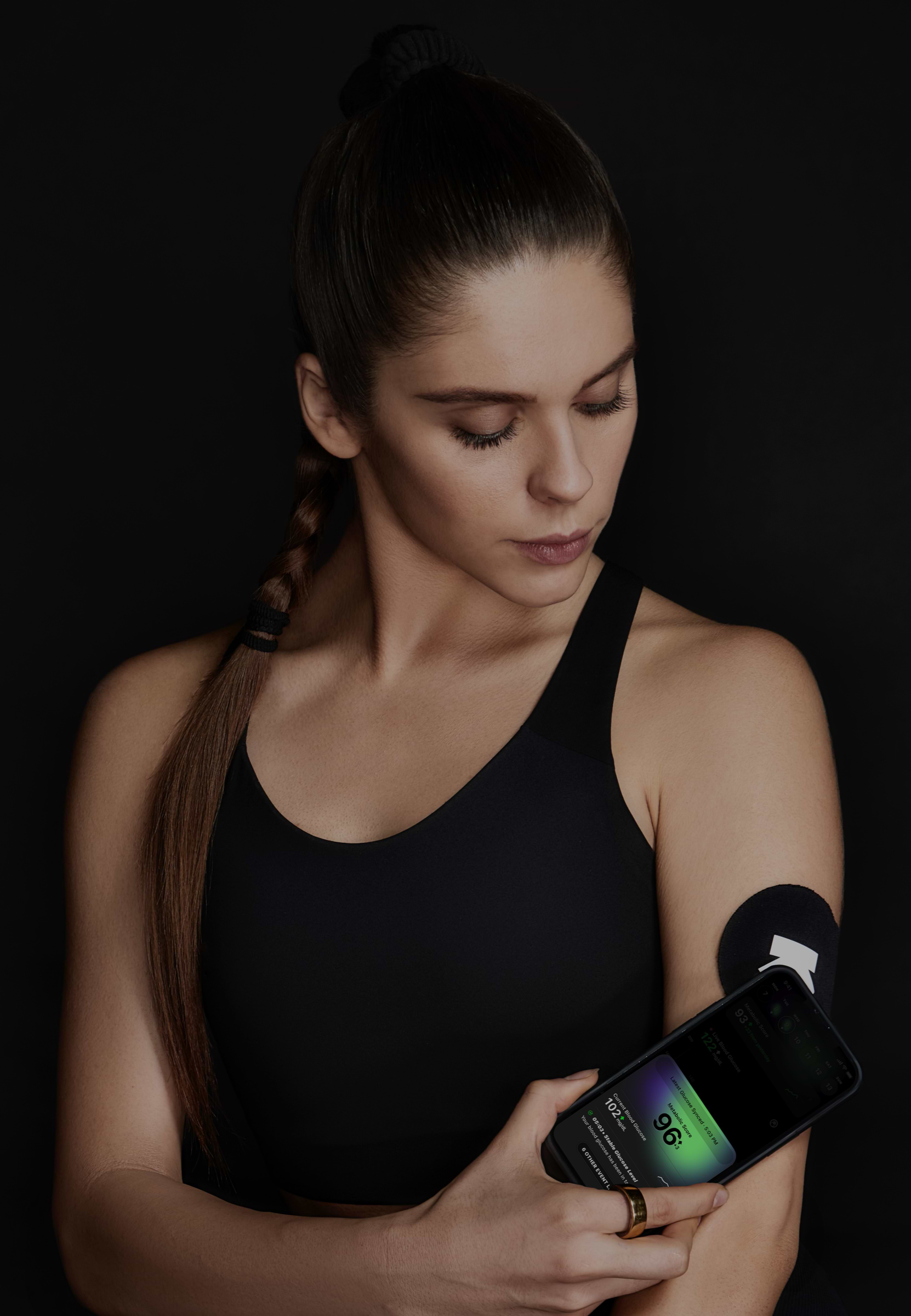
Discover
metabolic
health with M1
Ultrahuman M1 helps you measure the impact of food and activity on your body in real time through glucose as a biomarker.
Explore Ultrahuman M1Find Glucose response for your favourite foods
Explore OGDbYour cart is empty
Looks like you haven't added anything yet. Explore our products to get started.