

Cooked Dry Chickpeas (1 Cup)
 Breakfast
122 mg/dL
avg. peak value
Usually causes a medium spike
Avg. Food Score on Ultrahuman App
Ultrahuman Users got an UNSTABLE response
How to consume Cooked Dry Chickpeas without glucose spikes
Pair with Protein
Incorporate a source of protein like grilled chicken, tofu, or boiled eggs into your meal with chickpeas. This can help moderate your glucose levels.
Add Healthy Fats
Include healthy fats such as avocado, olive oil, or a handful of nuts. These fats can slow down the absorption of carbohydrates.
Include Fiber-rich Vegetables
Serve your chickpeas with fiber-rich vegetables like spinach, kale, or broccoli to aid in slowing glucose absorption.
Portion Control
Keep your serving size of chickpeas moderate. Overeating can lead to higher spikes, so aim for a balanced portion.
Combine with Whole Grains
If you’re having chickpeas as part of a larger meal, choose whole grain options like quinoa or barley. These grains can help stabilize glucose levels.
Stay Active Post-Meal
Engage in light physical activity such as a 15-minute walk after eating to help lower blood sugar levels.
Hydrate Well
Drink plenty of water throughout the day and alongside your meals to support digestion and metabolism.
Include Vinegar or Lemon
Adding a splash of vinegar or lemon juice to your chickpea dish can help reduce glucose spikes.
Practice Mindful Eating
Eat slowly and focus on your meal to improve digestion and help regulate blood sugar levels.
Monitor Meal Timing
Try to maintain regular meal times to help your body manage glucose levels more effectively.
Discover
metabolic
health with M1
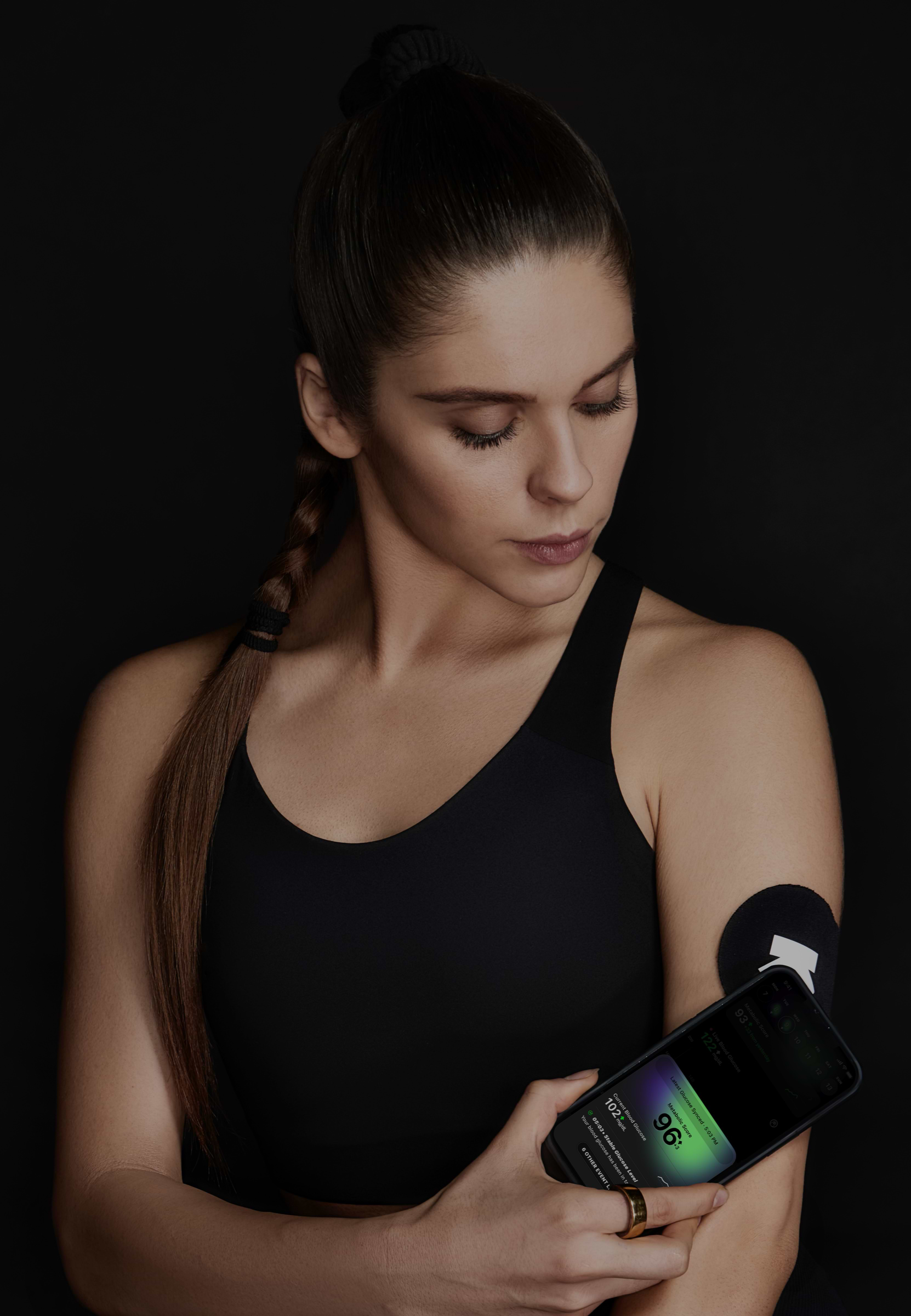
Ultrahuman M1 helps you measure the impact of food and activity on your body in real time through glucose as a biomarker.
Explore Ultrahuman M1Find Glucose response for your favourite foods
Explore OGDbYour cart is empty
Browse through our products and find something for you.