




Coffee (1 Mug (8 Fl Oz)) and Protein Smoothie (1 Cup)
 Afternoon Snack
108 mg/dL
avg. peak value
Usually has a stable response
Avg. Food Score on Ultrahuman App
89%
Ultrahuman Users got a STABLE response
How to consume Coffee | Protein Smoothie without glucose spikes
Increase Fiber Intake
Add a tablespoon of chia seeds or ground flaxseeds to the smoothie. This can help slow down the absorption of sugars.
Add Healthy Fats
Incorporate a small handful of nuts like almonds or walnuts, or add a tablespoon of nut butter. Healthy fats can help moderate blood sugar levels.
Use Low-Sugar Fruits
Opt for berries such as strawberries, blueberries, or raspberries in your smoothie. They are lower in sugars compared to other fruits.
Incorporate Non-Starchy Vegetables
Blend in spinach or kale. These vegetables are low in carbohydrates and rich in nutrients.
Choose Unsweetened Ingredients
Use unsweetened almond milk or coconut milk as the liquid base to avoid added sugars.
Opt for Slow-Digesting Protein
Consider a protein source like pea or hemp protein, which is absorbed more slowly than some other protein types.
Add a Touch of Cinnamon
Sprinkle a bit of cinnamon into your smoothie. This spice may help improve insulin sensitivity.
Limit Portion Size
Keep an eye on serving sizes to prevent consuming too many carbohydrates at once.
Consume With a Meal
Drink your smoothie with a balanced meal that includes proteins and fats to slow down digestion and absorption.
Hydrate Beforehand
Drink a glass of water before consuming the smoothie to promote fullness and reduce the likelihood of a spike in glucose levels.

Discover
metabolic
health with M1
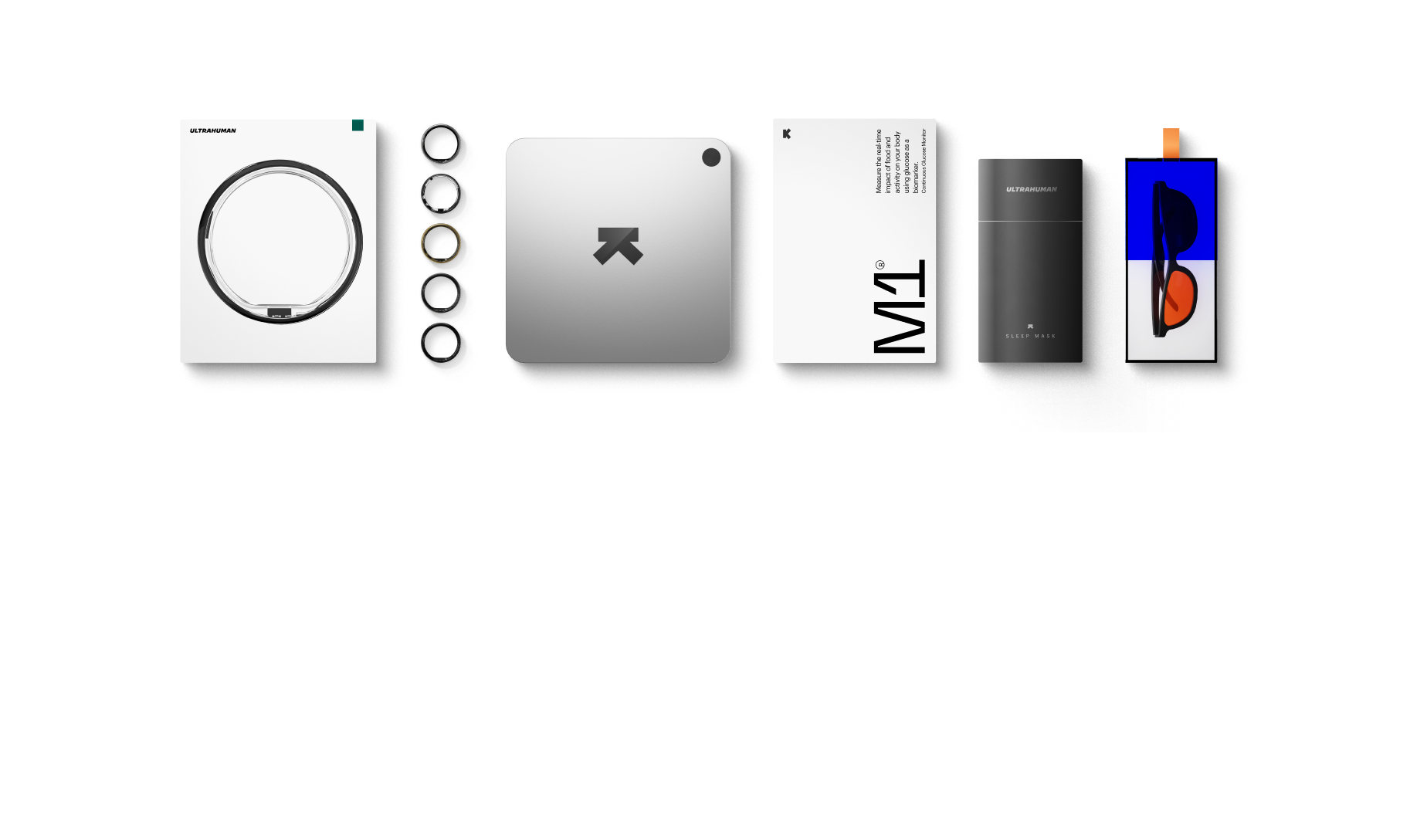
Ultrahuman M1 helps you measure the impact of food and activity on your body in real time through glucose as a biomarker.
Explore Ultrahuman M1Find Glucose response for your favourite foods
Explore OGDb