

Rice Idli (Hommade) (1 Serving), Sambar (1 Cup) and Chutney (1 Tablespoon)
 Breakfast
162 mg/dL
avg. peak value
Usually causes a small spike
Avg. Food Score on Ultrahuman App
Ultrahuman Users got a STABLE response
How to consume Chutney, Rice Idli, Sambar without glucose spikes
Portion Control
Reduce the portion size of chutney, rice idli, and sambar to limit carbohydrate intake, which can help in managing the glucose spike.
Slow Eating
Eat slowly and chew thoroughly to aid digestion and allow your body more time to manage blood sugar levels.
Add Fiber
Incorporate more fiber-rich foods like leafy greens or a small plate of mixed salad alongside your meal, which can help slow down the absorption of sugars.
Protein Inclusion
Add a source of protein, such as a boiled egg, cottage cheese, or a handful of nuts, to your meal to help balance blood sugar levels.
Choose Fermented Options
Opt for fermented chutneys or include fermented foods in your diet, as they can promote digestive health and potentially moderate glucose spikes.
Use Whole Grains
Replace some of the rice in your idli with whole grains or lentils to add complexity to carbohydrates and reduce the impact on blood sugar.
Hydration
Drink a glass of water before your meal to help with digestion and potentially reduce the spike in blood sugar.
Include Healthy Fats
Add a small amount of healthy fats, such as a teaspoon of ghee or a few slices of avocado, to your meal to help slow down digestion.
Meal Timing
Consider eating smaller, more frequent meals rather than large meals to help keep blood sugar levels stable throughout the day.
Physical Activity
Engage in light physical activity, like a short walk, after eating to help your body use up some of the glucose from the meal.
Discover
metabolic
health with M1
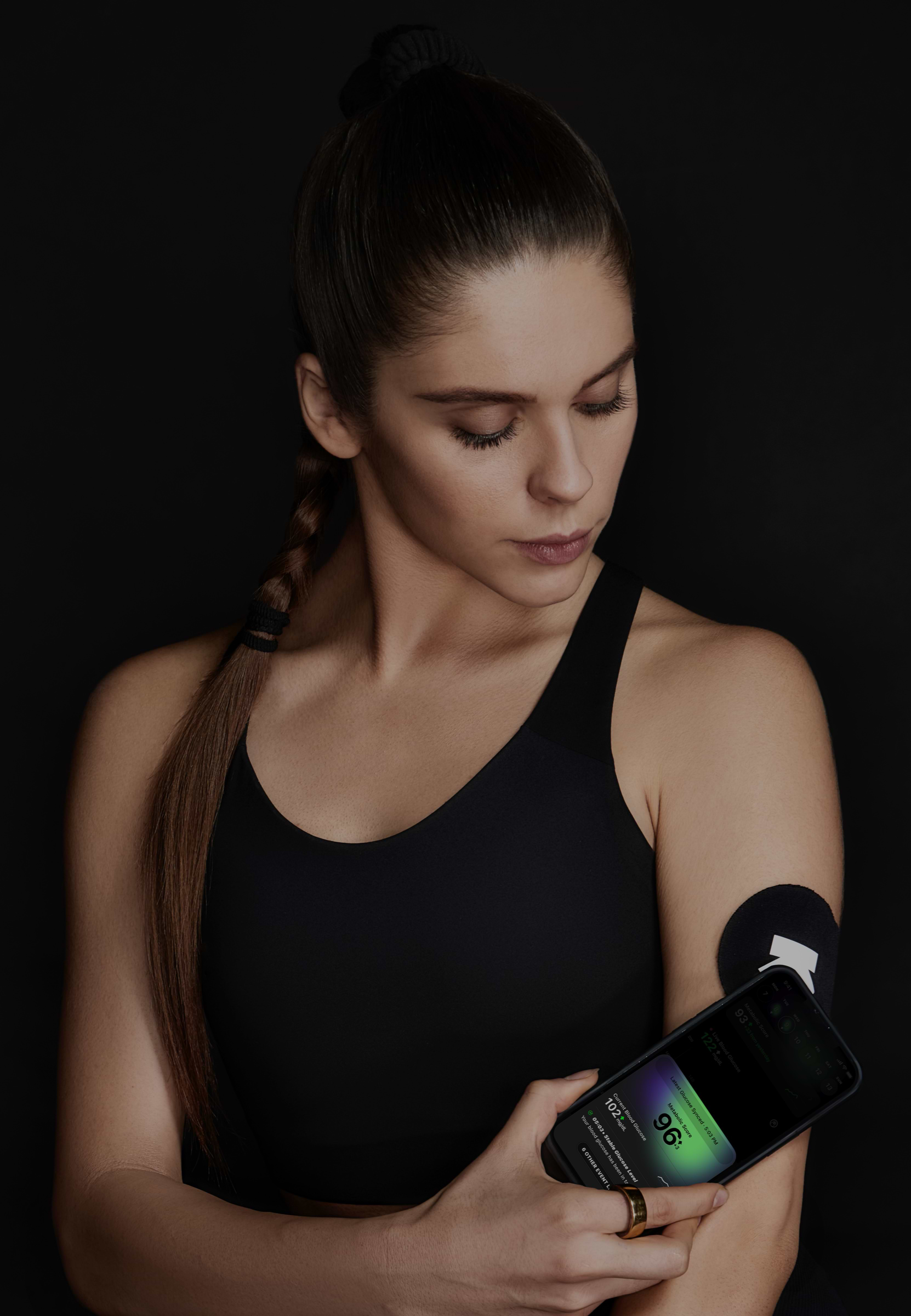
Ultrahuman M1 helps you measure the impact of food and activity on your body in real time through glucose as a biomarker.
Explore Ultrahuman M1Find Glucose response for your favourite foods
Explore OGDbYour cart is empty
Browse through our products and find something for you.