

Chai (1 Teacup (6 Fl Oz)) and Bhujia (Haldiram's) (1 Serving)
 Afternoon Snack
141 mg/dL
avg. peak value
Usually causes a small spike
Avg. Food Score on Ultrahuman App
Ultrahuman Users got a STABLE response
Other related foods
How to consume Bhujia, Chai without glucose spikes
Portion Control
Limit the amount of Bhujia and Chai you consume in one sitting. Smaller portions can help minimize glucose spikes.
Pair with Protein
Add a source of protein like a small handful of nuts or a serving of Greek yogurt to your snack. Protein can help slow down the absorption of carbohydrates.
Incorporate Fiber
Include high-fiber foods such as a small salad or raw vegetables alongside your snack. Fiber can help stabilize blood sugar levels.
Choose Whole Grains
If possible, opt for whole-grain versions of snacks that have a similar texture to Bhujia, like whole-grain crackers or whole-grain toast.
Stay Hydrated
Drink plenty of water throughout the day. Staying hydrated helps in maintaining normal blood sugar levels.
Time Your Meals
Try consuming Bhujia and Chai earlier in the day rather than late at night. Your body is generally more efficient at processing glucose earlier in the day.
Add Cinnamon
Sprinkle a little cinnamon into your chai. Cinnamon is known to have properties that may help improve blood sugar control.
Opt for Low-Sugar Chai
Reduce the sugar content in your chai or use a natural sugar substitute like stevia to sweeten it.
Regular Physical Activity
Engage in a short walk or light physical activity after consuming your snack. This can help your body use excess glucose more effectively.
Monitor and Adjust
Keep track of your blood sugar levels to see how your body responds and adjust your intake accordingly.
Discover
metabolic
health with M1
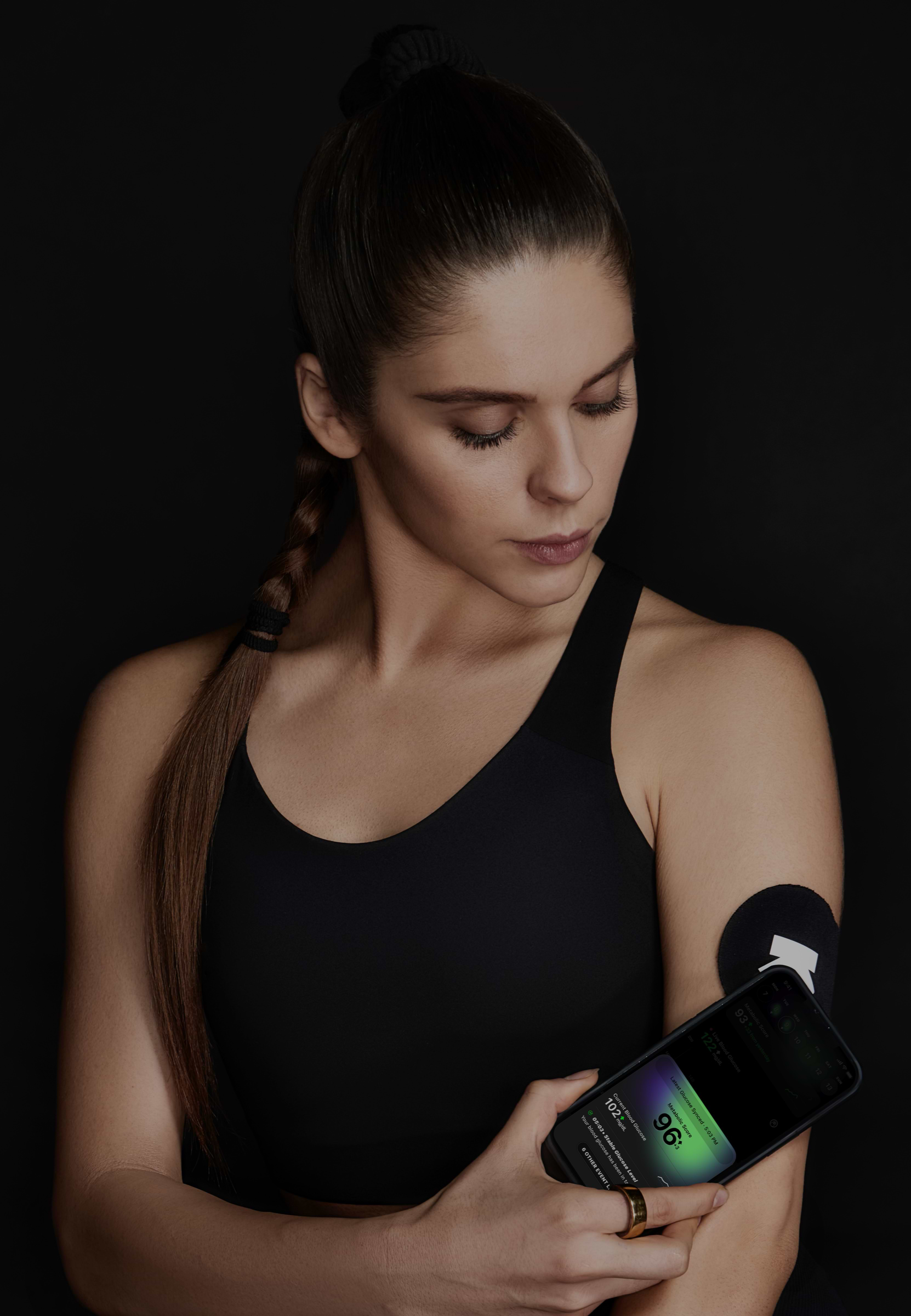
Ultrahuman M1 helps you measure the impact of food and activity on your body in real time through glucose as a biomarker.
Explore Ultrahuman M1Find Glucose response for your favourite foods
Explore OGDbYour cart is empty
Browse through our products and find something for you.