

White Rice (1 Cup, Cooked) and Baked or Broiled Salmon (1 Medium Salmon Steak (5/8 Inches Thick))
 Afternoon Snack
122 mg/dL
avg. peak value
Usually causes a medium spike
Avg. Food Score on Ultrahuman App
Ultrahuman Users got an UNSTABLE response
Other related foods
- baked or fried coated chicken wing with skin
- baked beans
- baked or broiled salmon
- roasted broiled or baked chicken
- mixed salad greens roasted broiled or baked chicken
- baked or broiled salmon mixed salad greens
- roasted broiled or baked chicken breast skin not eaten
- roasted broiled or baked chicken wing skin eaten
- baked or broiled fish
- baked or broiled sea bass
How to consume baked or broiled salmon, white rice without glucose spikes
Portion Control
Reduce the amount of white rice you consume with your meal. Keeping the portion size small can help mitigate the impact on your blood sugar levels.
Add Vegetables
Include non-starchy vegetables like broccoli, spinach, or bell peppers in your meal. These can help slow the absorption of carbohydrates and provide additional nutrients.
Incorporate Whole Grains
Substitute a portion of white rice with whole grains like quinoa or barley, which are digested more slowly.
Include Healthy Fats
Add a small serving of healthy fats, such as avocado or a sprinkle of nuts like almonds, to your meal to help slow down the absorption of carbohydrates.
Eat Protein-Rich Foods
Pair your meal with a small serving of legumes like lentils or chickpeas to increase the protein content and stabilize blood sugar levels.
Choose Fiber-Rich Sides
Include fiber-rich foods such as lentils or beans as a side dish, which can help slow digestion and prevent spikes.
Hydrate with Water
Drink water before your meal to help with digestion and prevent overeating, which can lead to larger glucose spikes.
Mindful Eating
Eat slowly and pay attention to your body's hunger and fullness signals to avoid overconsumption.
Pre-Meal Walk
Take a short walk before your meal to improve insulin sensitivity and help your body manage blood sugar levels more effectively.
Balanced Meal Composition
Aim to balance your meal with appropriate portions of protein, healthy fats, and fiber to prevent rapid increases in blood sugar.
Discover
metabolic
health with M1
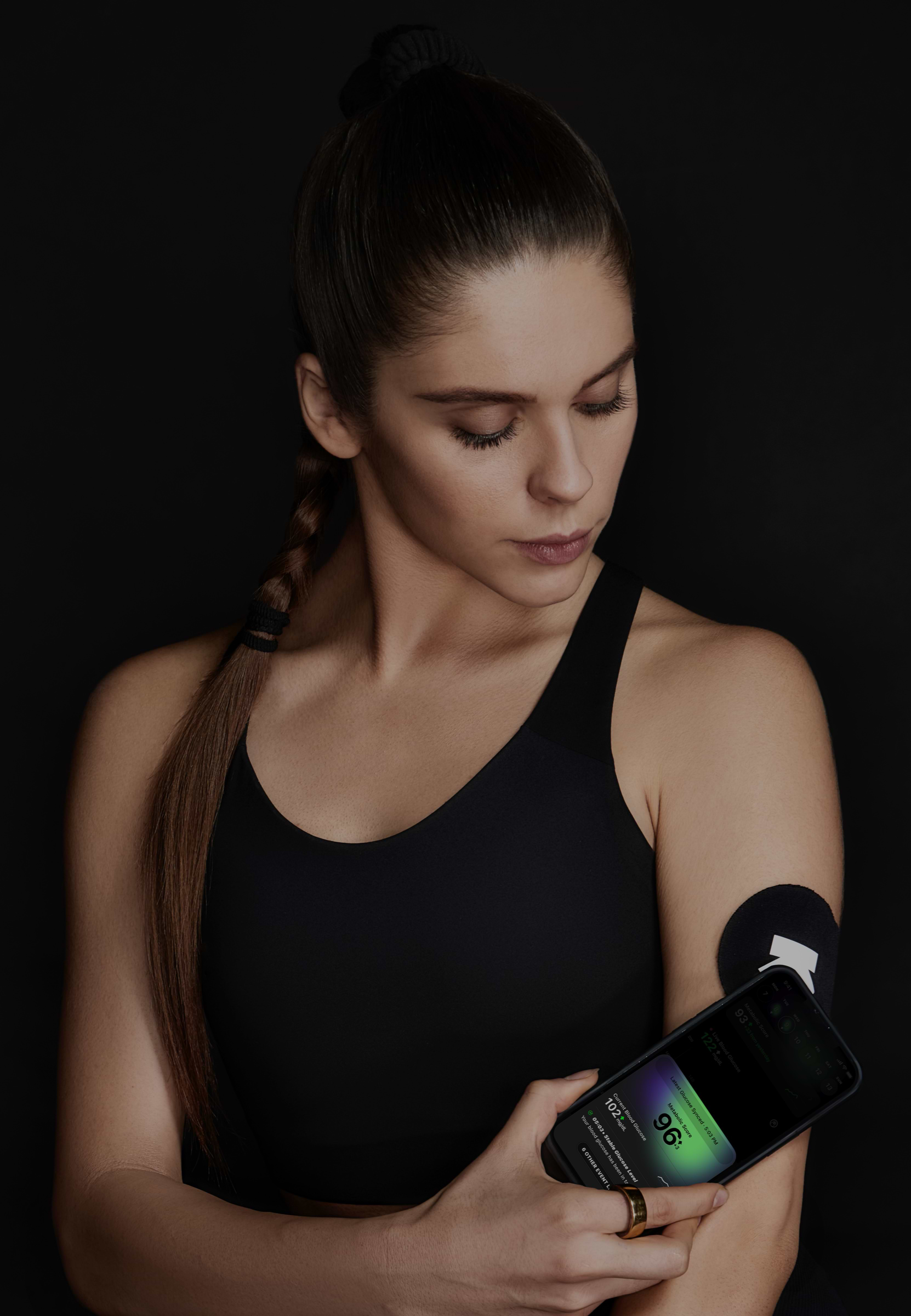
Ultrahuman M1 helps you measure the impact of food and activity on your body in real time through glucose as a biomarker.
Explore Ultrahuman M1Find Glucose response for your favourite foods
Explore OGDbYour cart is empty
Browse through our products and find something for you.