

Introducing Pulsomics. Contribute to science. Learn MoreIntroducing Pulsomics. Contribute to science.
M2 Live is here. Continuous Glucose Tracking, no Rx
Introducing Pulsomics. Contribute to science. Learn MoreIntroducing Pulsomics. Contribute to science.
Ultrahuman Ring
Choose the ring built for you.

Performance Lab
Train, test and recover at our Bengaluru facility.


English Curd Rice (100 G) and Aloo Sabzi (100 G)
 Dinner
145 mg/dL
avg. peak value
Usually causes a large spike
Avg. Food Score on Ultrahuman App
100%
Ultrahuman Users got an UNSTABLE response
How to consume aloo sabzi, english curd rice without glucose spikes
Portion Control
Reduce the portion size of aloo sabzi and curd rice. Smaller servings can help in managing blood sugar levels.
Increase Fiber Intake
Add a side of leafy green vegetables like spinach or kale, which can help slow down the absorption of carbohydrates.
Incorporate Protein
Include a source of lean protein, such as grilled chicken, tofu, or lentils, to help stabilize blood sugar levels.
Add Healthy Fats
Incorporate a small portion of healthy fats like nuts, seeds, or avocado, which can help slow down the digestion of carbohydrates.
Opt for Whole Grains
If you are making curd rice, try using brown rice or quinoa as a base, as they are digested more slowly compared to white rice.
Stay Hydrated
Drink a glass of water before meals to help control appetite and improve digestion.
Physical Activity
Engage in a short walk or light exercise after meals to help your body utilize glucose more effectively.
Spice It Up with Cinnamon
Add a pinch of cinnamon to your dishes, as it can help improve insulin sensitivity.
Mindful Eating
Eat slowly and savor your food to improve digestion and prevent overeating.
Monitor Consistently
Regularly check your blood sugar levels to understand how your body responds to different foods and adjust your diet accordingly.

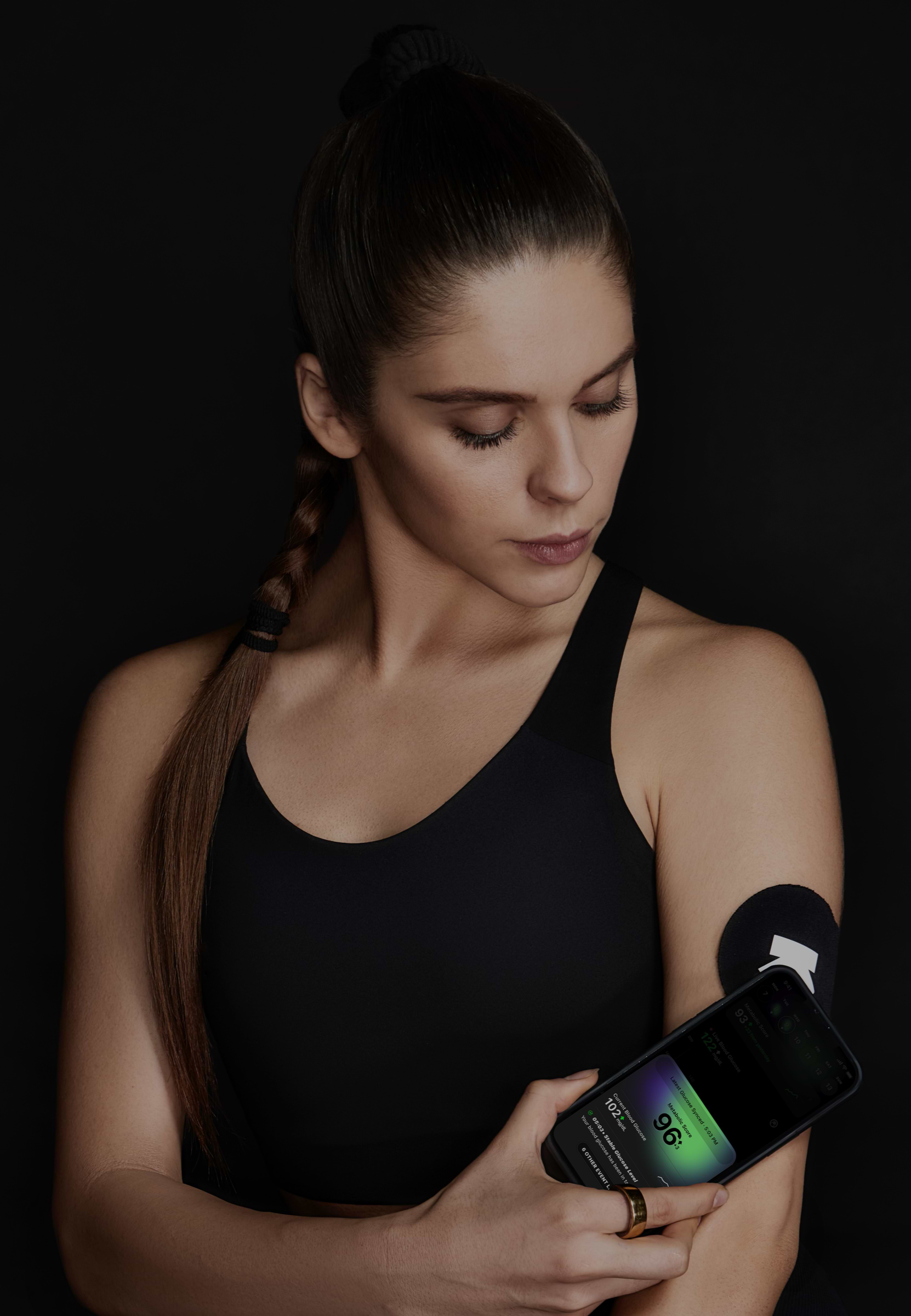
Discover
metabolic
health with M1
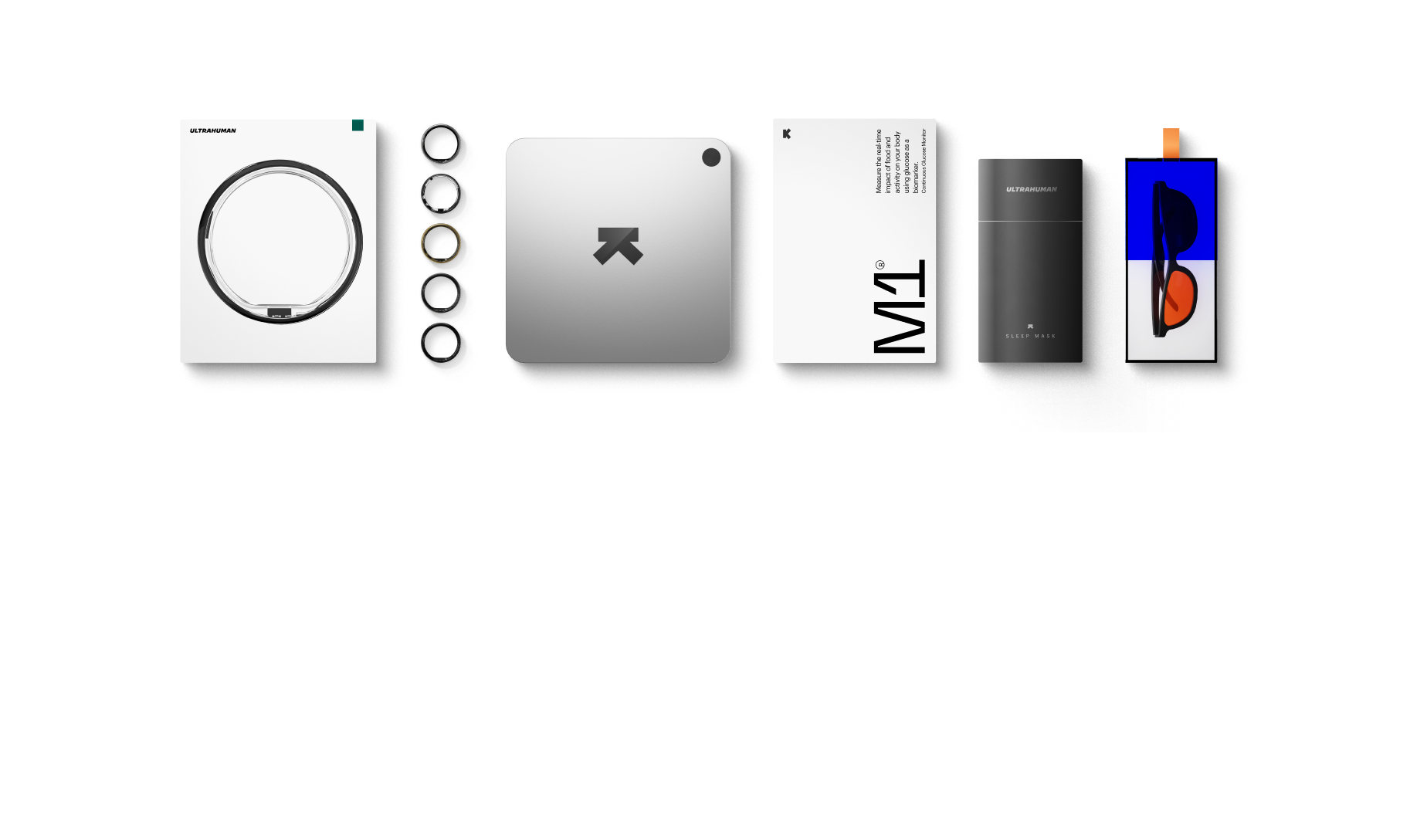
Ultrahuman M1 helps you measure the impact of food and activity on your body in real time through glucose as a biomarker.
Explore Ultrahuman M1Find Glucose response for your favourite foods
Explore OGDbYour cart is empty
Looks like you haven't added anything yet. Explore our products to get started.