


Wheat Chapati (1 Piece)
 Lunch
Lunch
177 mg/dL
avg. peak value
Usually causes a large spike
Avg. Food Score on Ultrahuman App
Ultrahuman Users got an UNSTABLE response
Other related foods
- fried whole wheat puri or poori bread indian puffed bread
- aloo sabzi fried whole wheat puri or poori bread indian puffed bread
- wheat chapati
- wheat upma
- whole wheat bread
- toasted whole wheat bread
- wheat dosa
- egg omelet or scrambled egg whole wheat bread
- whole wheat and rolled oats cereal with nuts and fruit
- fried whole wheat puri or poori bread indian puffed bread indian chole
How to consume Wheat Chapati without glucose spikes
Pair with Protein
Include a source of protein with your meal, such as lentils, chickpeas, or cottage cheese, to help stabilize blood sugar levels.
Add Healthy Fats
Incorporate healthy fats like avocados, nuts, or seeds into your meal to slow down the digestion and absorption of carbohydrates.
Incorporate Fiber
Add fiber-rich vegetables such as spinach, broccoli, or bell peppers to your meal to aid in moderating blood sugar levels.
Choose Whole Grains
If possible, opt for whole-grain or multigrain chapatis, which provide more fiber and nutrients than refined wheat versions.
Portion Control
Limit the portion size of chapatis in your meal and balance it with other nutrient-dense foods.
Stay Hydrated
Drink plenty of water before and during your meal to help manage blood sugar levels.
Exercise Regularly
Engage in light physical activity, like a walk, after meals to help your body utilize glucose more efficiently.
Eat Mindfully
Chew your food slowly and thoroughly to aid digestion and decrease the likelihood of a rapid glucose spike.
Monitor Meal Timing
Avoid eating large amounts of chapati late at night, as your body may have more difficulty processing carbohydrates during this time.
Consider Apple Cider Vinegar
Having a small amount of apple cider vinegar, diluted in water, before your meal might help in controlling blood sugar spikes.
Discover
metabolic
health with M1
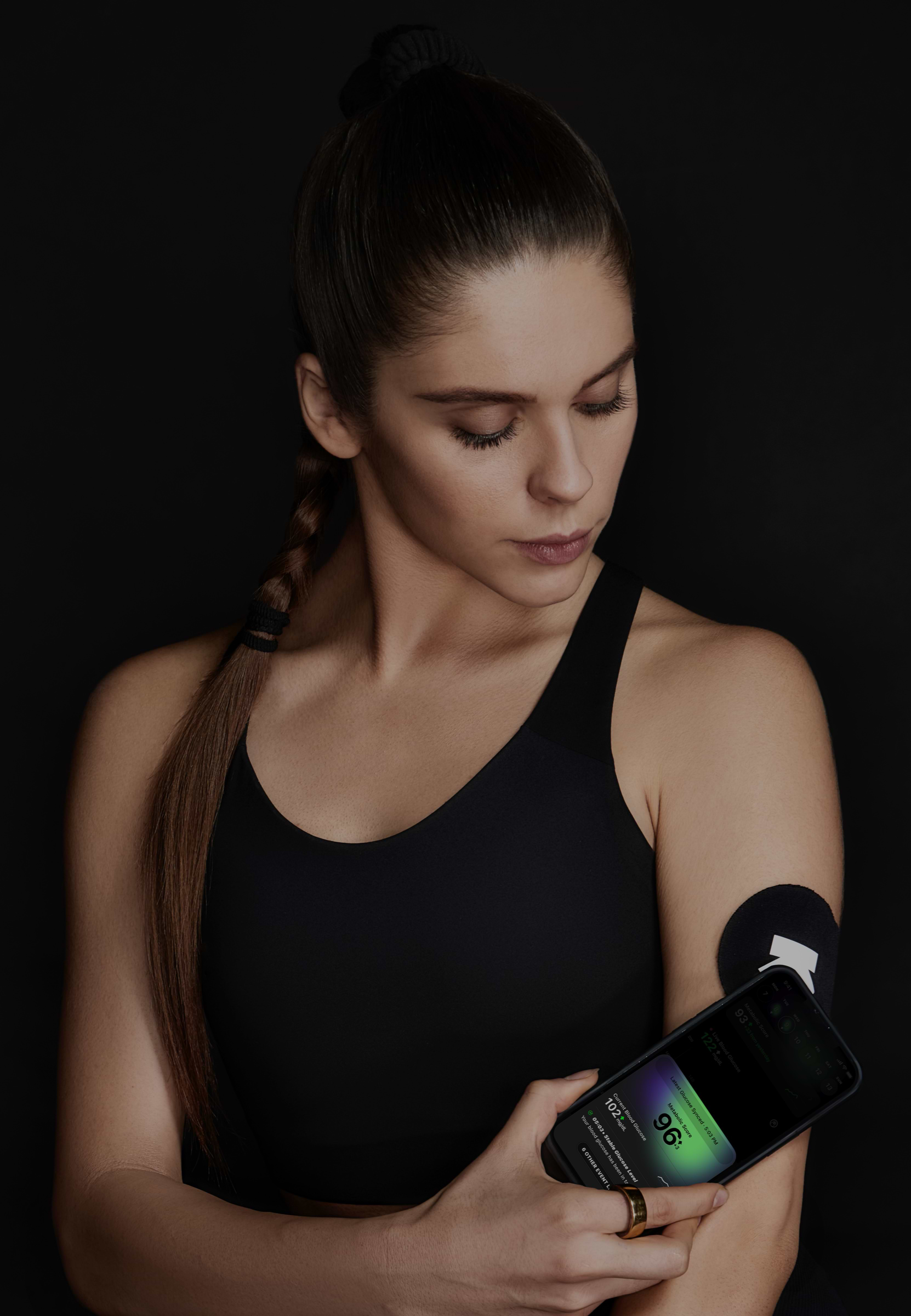
Ultrahuman M1 helps you measure the impact of food and activity on your body in real time through glucose as a biomarker.
Explore Ultrahuman M1Find Glucose response for your favourite foods
Explore OGDbYour cart is empty
Browse through our products and find something for you.