

Non veg thali (1 piece)
 Lunch
Lunch
118 mg/dL
avg. peak value
Usually causes a medium spike
Avg. Food Score on Ultrahuman App
Ultrahuman Users got an UNSTABLE response
Other related foods
- nonfat cappuccino
- nonfat latte coffee
- non alcoholic beer
- starbucks venti nonfat cappucino
- broiled chicken fillet sandwich with cheese lettuce tomato and non mayonnaise spread on whole wheat roll
- starbuck s tall 2 pump nonfat no whip pumpkin spice latte 6 oz
- coffee with cream and sugar honey nut cheerios 37g milk nonfat
- no nonsense plant protein indonesian cacao
- no nonsense plant protein
- homemade granola helios kefir organic original nonfat mixed seeds
How to consume Non veg thali without glucose spikes
Portion Control
Reduce the quantity of rice or bread served in the thali to lower the overall carbohydrate intake.
Increase Fiber Intake
Include more fibrous vegetables in your thali like spinach, broccoli, or beans, which can slow down the absorption of sugar.
Add Protein
Enhance the protein component by including more lean meats or plant-based proteins like lentils or chickpeas, which can help stabilize blood sugar levels.
Healthy Fats
Incorporate healthy fats such as avocado, nuts, or seeds to the meal, which can help in slowing down digestion and the absorption of carbohydrates.
Stay Hydrated
Drink water before and during your meal, which can aid digestion and help limit overeating.
Mindful Eating
Eat slowly and savor each bite, which gives your body time to process the food and manage insulin response better.
Vinegar
Consuming a small amount of vinegar or lemon juice as part of your meal can help in moderating blood sugar levels.
Physical Activity
Take a short walk or engage in light physical activity after your meal to help your muscles use glucose more efficiently.
Balanced Meal
Ensure the thali is balanced with a good mix of proteins, fats, and carbohydrates to prevent sudden spikes in blood sugar.
Snack Wisely
Opt for a small, healthy snack that is low in carbohydrates and sugar before eating your main meal, which can help control blood sugar spikes.
Discover
metabolic
health with M1
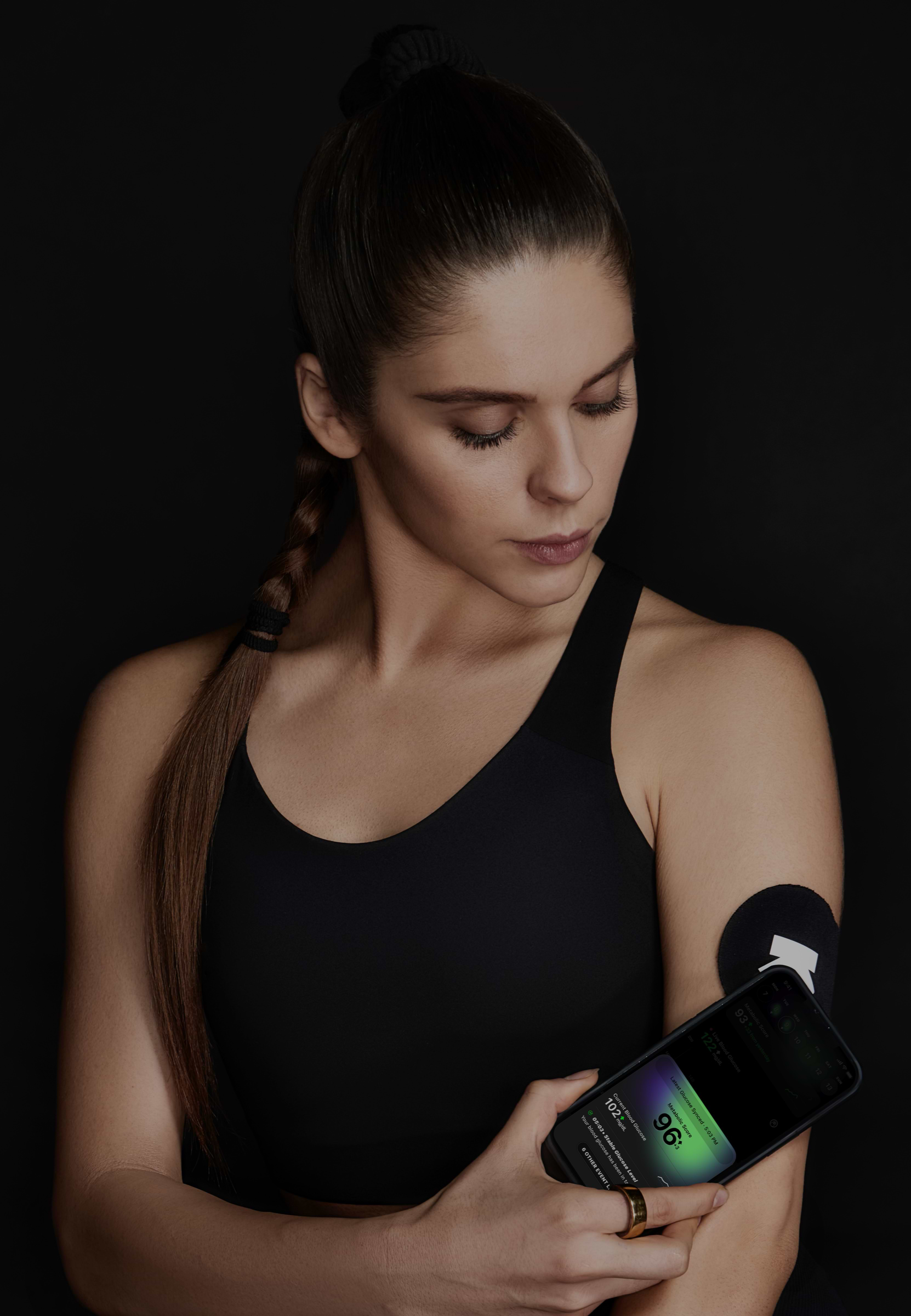
Ultrahuman M1 helps you measure the impact of food and activity on your body in real time through glucose as a biomarker.
Explore Ultrahuman M1Find Glucose response for your favourite foods
Explore OGDbYour cart is empty
Browse through our products and find something for you.