


Milk tea (1 piece)
 Afternoon Snack
130 mg/dL
avg. peak value
Usually has a stable response
Avg. Food Score on Ultrahuman App
Ultrahuman Users got a STABLE response
How to consume Milk tea without glucose spikes
Choose Unsweetened Milk Tea
Opt for milk tea that doesn't contain added sugars or syrups. If you need sweetness, consider using a sugar substitute that doesn't affect blood glucose levels.
Add Protein
Incorporate a source of protein into your meal when enjoying milk tea. This could be a small serving of nuts or a boiled egg, which can help slow down the absorption of sugars.
Include Healthy Fats
Pair your milk tea with foods containing healthy fats, such as a small portion of avocado or a handful of almonds. These can help moderate blood sugar levels.
Opt for Whole Milk
If you consume dairy, use whole milk instead of skim or low-fat milk. The fat in whole milk can slow down the digestion of carbohydrates.
Drink with Food
Have your milk tea alongside a balanced meal that includes fiber-rich vegetables, lean protein, and whole grains. This combination can help prevent rapid glucose spikes.
Try Plant-Based Milk
Consider using unsweetened almond milk or soy milk in your milk tea, as these can have a lesser impact on blood sugar levels compared to regular milk.
Add Fiber
Enhance your milk tea experience by accompanying it with a high-fiber snack such as chia pudding or a small bowl of oatmeal, helping slow digestion and glucose release.
Limit Quantity
Reduce the portion size of your milk tea. Smaller servings will naturally contain less sugar and reduce the potential for a spike.
Stay Active
Engage in light physical activity, like a short walk, after consuming milk tea to help your body manage blood sugar levels more effectively.
Hydrate Properly
Drink water before or alongside your milk tea to prevent dehydration, which can exacerbate blood sugar fluctuations.
Discover
metabolic
health with M1
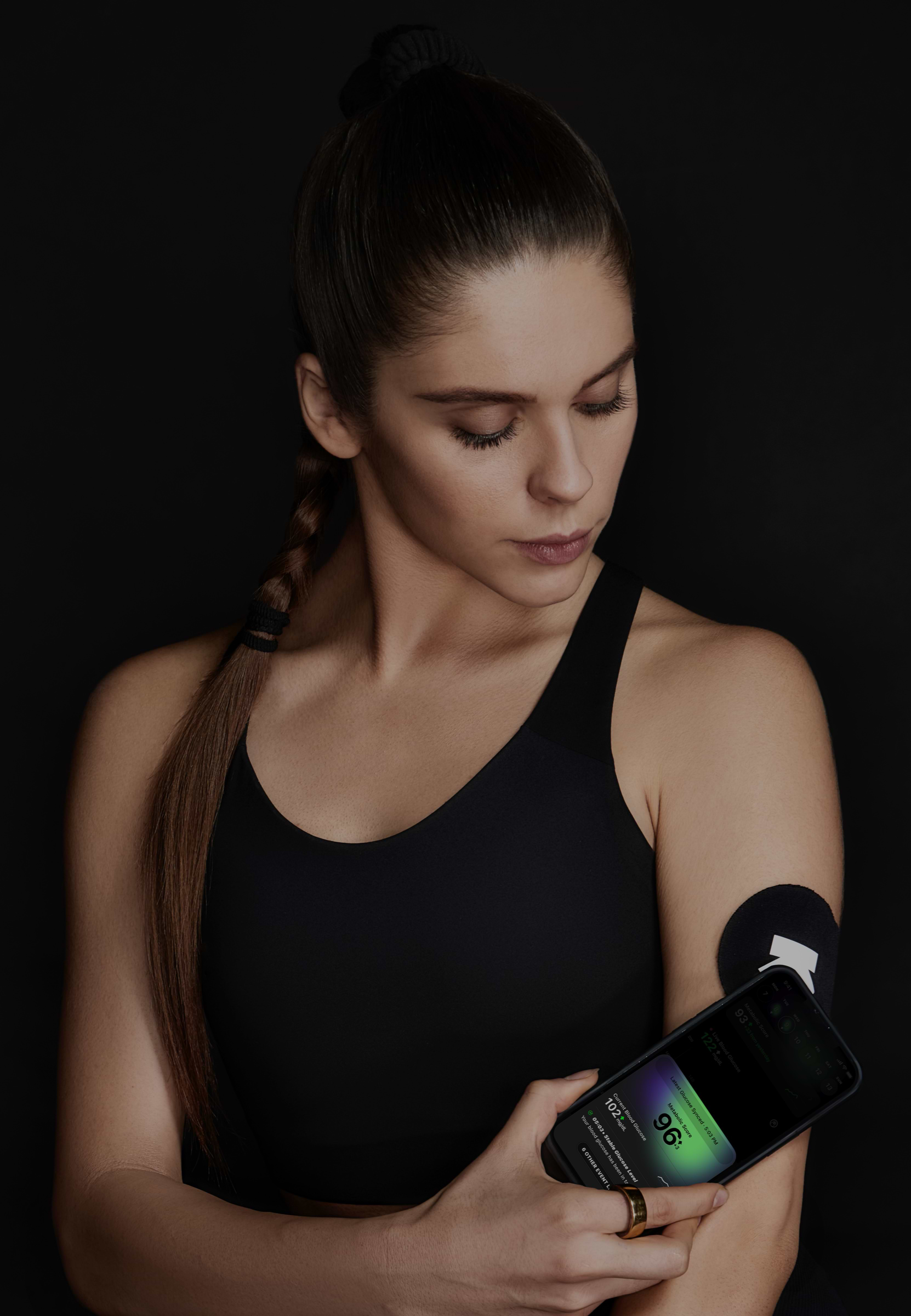
Ultrahuman M1 helps you measure the impact of food and activity on your body in real time through glucose as a biomarker.
Explore Ultrahuman M1Find Glucose response for your favourite foods
Explore OGDbYour cart is empty
Browse through our products and find something for you.