



Korean Kimchi Jjigae (1 Serving (200g))
 Dinner
101 mg/dL
avg. peak value
Usually causes a medium spike
Avg. Food Score on Ultrahuman App
67%
Ultrahuman Users got an UNSTABLE response
How to consume korean kimchi jjigae without glucose spikes
Portion Control
Start by reducing the portion size of kimchi jjigae you consume. Smaller portions will result in a lower glucose response.
Balanced Meal
Pair your kimchi jjigae with foods that have a lower impact on blood sugar levels. Consider adding a side of quinoa or barley, which can help stabilize your glucose levels.
Include Protein
Add a source of lean protein like grilled chicken, tofu, or fish to your meal. Protein helps to slow down the absorption of carbohydrates and can help prevent spikes.
Incorporate Healthy Fats
Include healthy fats such as avocado or a small handful of nuts. These can help slow digestion and reduce glucose spikes.
Fiber-Rich Side Dish
Add a side of vegetables like broccoli, spinach, or kale. High-fiber vegetables can aid in slowing glucose absorption.
Hydration
Drink water or herbal tea instead of sugary drinks. Staying hydrated helps in managing blood sugar levels.
Mindful Eating
Eat slowly and mindfully, which aids digestion and offers better blood sugar control.
Pre-Meal Exercise
Consider a short walk or light exercise before your meal, which can improve glucose uptake by muscles and help in regulating blood sugar levels.
Spice Moderation
If the jjigae is very spicy, consider reducing the spice level. Sometimes, very spicy foods can lead to increased hunger and overeating, which may affect glucose levels.
Regular Monitoring
Keep track of your blood sugar levels before and after meals to understand how your body responds and make necessary adjustments.

Discover
metabolic
health with M1
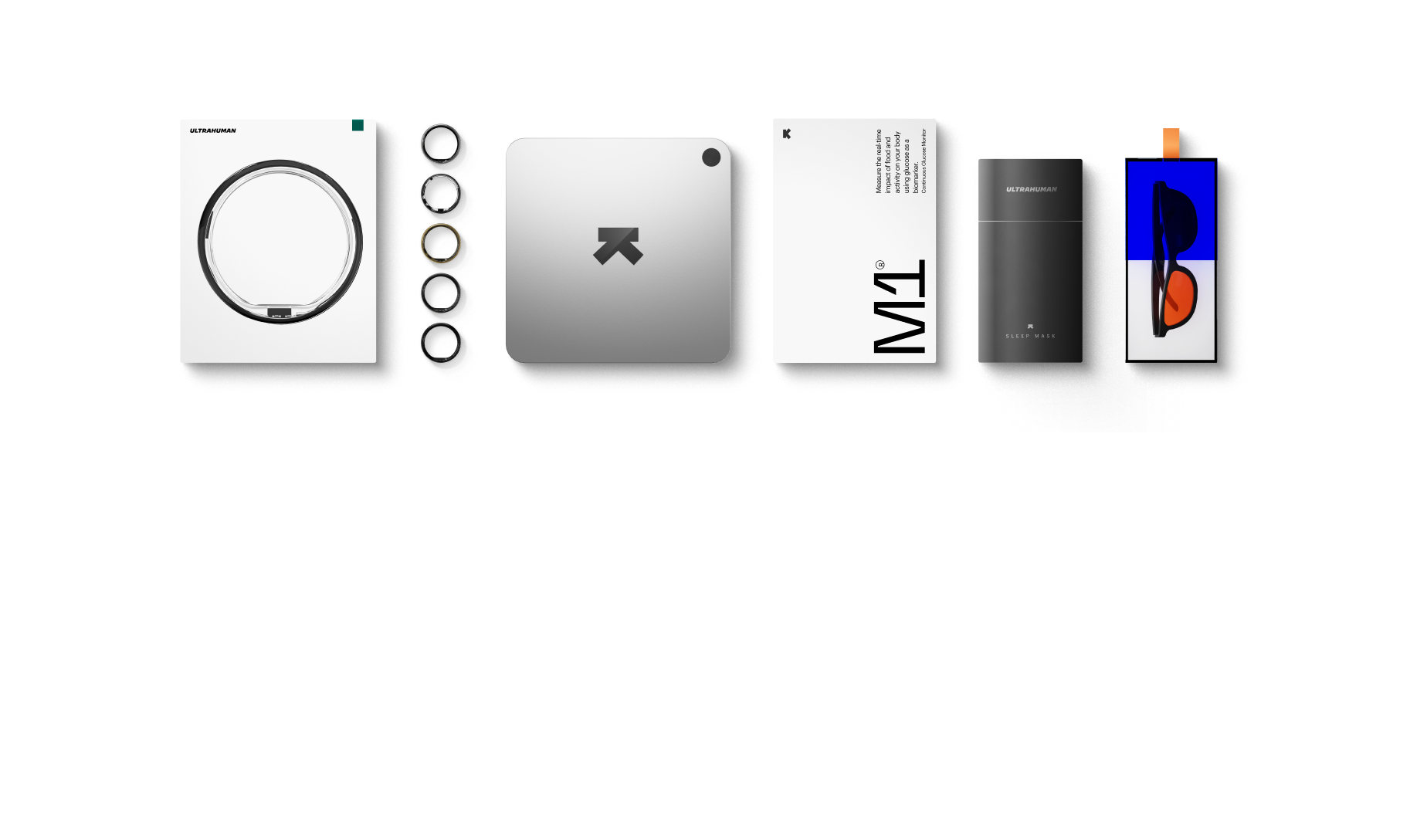
Ultrahuman M1 helps you measure the impact of food and activity on your body in real time through glucose as a biomarker.
Explore Ultrahuman M1Find Glucose response for your favourite foods
Explore OGDb