


Greek Yogurt (Epigamia) (1 Serving) and Granola (100 G)
 Breakfast
127 mg/dL
avg. peak value
Usually causes a medium spike
Avg. Food Score on Ultrahuman App
Ultrahuman Users got an UNSTABLE response
How to consume Greek Yogurt, Granola without glucose spikes
Choose a Lower-Sugar Greek Yogurt
Opt for plain Greek yogurt instead of flavored varieties to reduce sugar intake. You can add your own low-sugar sweeteners or fresh fruit for flavor.
Add Fiber
Incorporate high-fiber foods such as chia seeds or flaxseeds into your yogurt. Fiber can help slow the absorption of carbohydrates, reducing glucose spikes.
Select Whole Grain Granola
Choose granola that is made from whole grains and contains no added sugars. Look for options that include nuts and seeds for added protein and healthy fats.
Control Portion Sizes
Measure your servings of yogurt and granola to avoid overconsumption, which can contribute to higher glucose levels.
Add Fresh Berries
Include fresh berries like strawberries, blueberries, or raspberries. They are lower in sugar compared to other fruits and add natural sweetness and additional fiber.
Incorporate Nuts
Add a small handful of nuts such as almonds or walnuts. They provide healthy fats and protein, which can help moderate blood sugar levels.
Include a Protein Source
Pair your yogurt and granola with a protein source like a boiled egg or a small serving of cottage cheese to help balance blood sugar levels.
Drink Water
Stay hydrated by drinking water before and during your meal. Adequate hydration can help your body process carbohydrates more effectively.
Add a Dash of Cinnamon
Sprinkle a little cinnamon on your yogurt. Some studies suggest that cinnamon may help improve insulin sensitivity and lower blood sugar levels.
Eat Slowly
Take your time to eat and savor each bite. Eating slowly can help your body better regulate blood sugar levels as it allows time for hormonal signals of satiety and digestion to be properly activated.
Discover
metabolic
health with M1
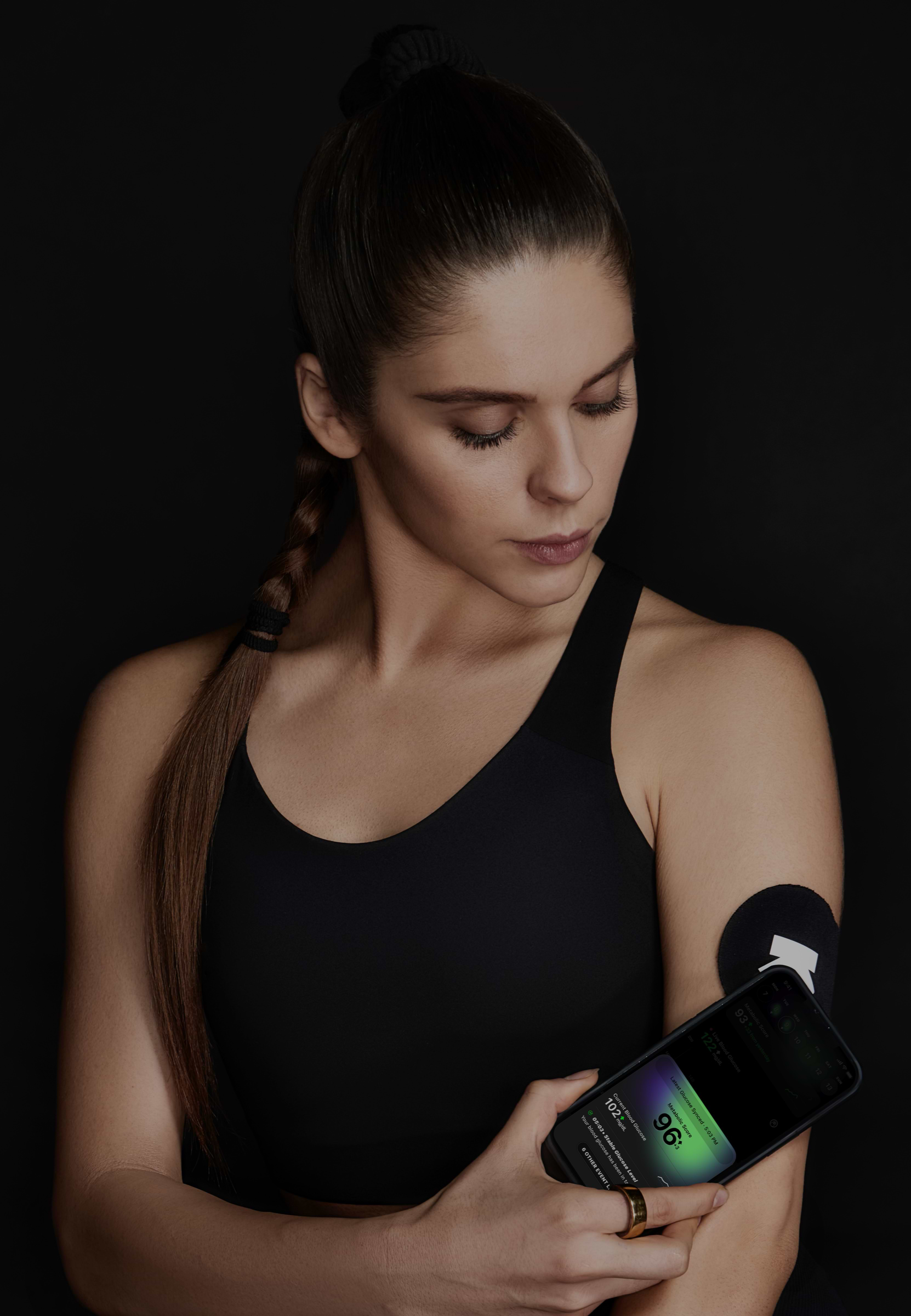
Ultrahuman M1 helps you measure the impact of food and activity on your body in real time through glucose as a biomarker.
Explore Ultrahuman M1Find Glucose response for your favourite foods
Explore OGDbYour cart is empty
Browse through our products and find something for you.