

Egg Omelet or Scrambled Egg with Vegetables (1 Egg, Ns As To Size)
 Breakfast
113 mg/dL
avg. peak value
Usually has a stable response
Avg. Food Score on Ultrahuman App
Ultrahuman Users got a STABLE response
How to consume egg omelet or scrambled egg with vegetables without glucose spikes
Include High-Fiber Vegetables
Add vegetables like spinach, bell peppers, and mushrooms to your omelet or scrambled eggs. These vegetables provide fiber, which can help slow down the absorption of glucose.
Pair with Whole Grains
Serve your eggs with a small portion of whole-grain toast or a side of quinoa. These options are rich in fiber and can help stabilize blood sugar levels.
Incorporate Healthy Fats
Cook your eggs in a small amount of olive oil or add avocado slices on the side. Healthy fats can help slow digestion and reduce glucose spikes.
Add Protein
Consider adding a lean protein source, such as grilled chicken, turkey, or smoked salmon, to your dish to increase satiety and stabilize blood sugar.
Opt for Smaller Portions
Reduce the portion size of your egg dish and complement it with a side salad or a serving of non-starchy vegetables to keep the meal balanced.
Drink Water or Unsweetened Tea
Avoid sugary drinks with your meal, and instead, opt for water or herbal tea, which won't affect your blood sugar.
Mind Your Cooking Method
Avoid overcooking your eggs, as this can impact their nutritional profile. Lightly scrambling or making a soft omelet can help retain more nutrients.
Add Nuts or Seeds
Sprinkle a small amount of nuts or seeds, such as almonds or chia seeds, over your eggs for added fiber and healthy fats.
Include a Fermented Food
Consider having a small serving of fermented foods like sauerkraut or unsweetened yogurt on the side to support gut health and potentially improve glucose metabolism.
Eat Slowly and Mindfully
Take your time to eat your meal slowly, which can help your body better manage glucose levels by giving it time to process the food.
Discover
metabolic
health with M1
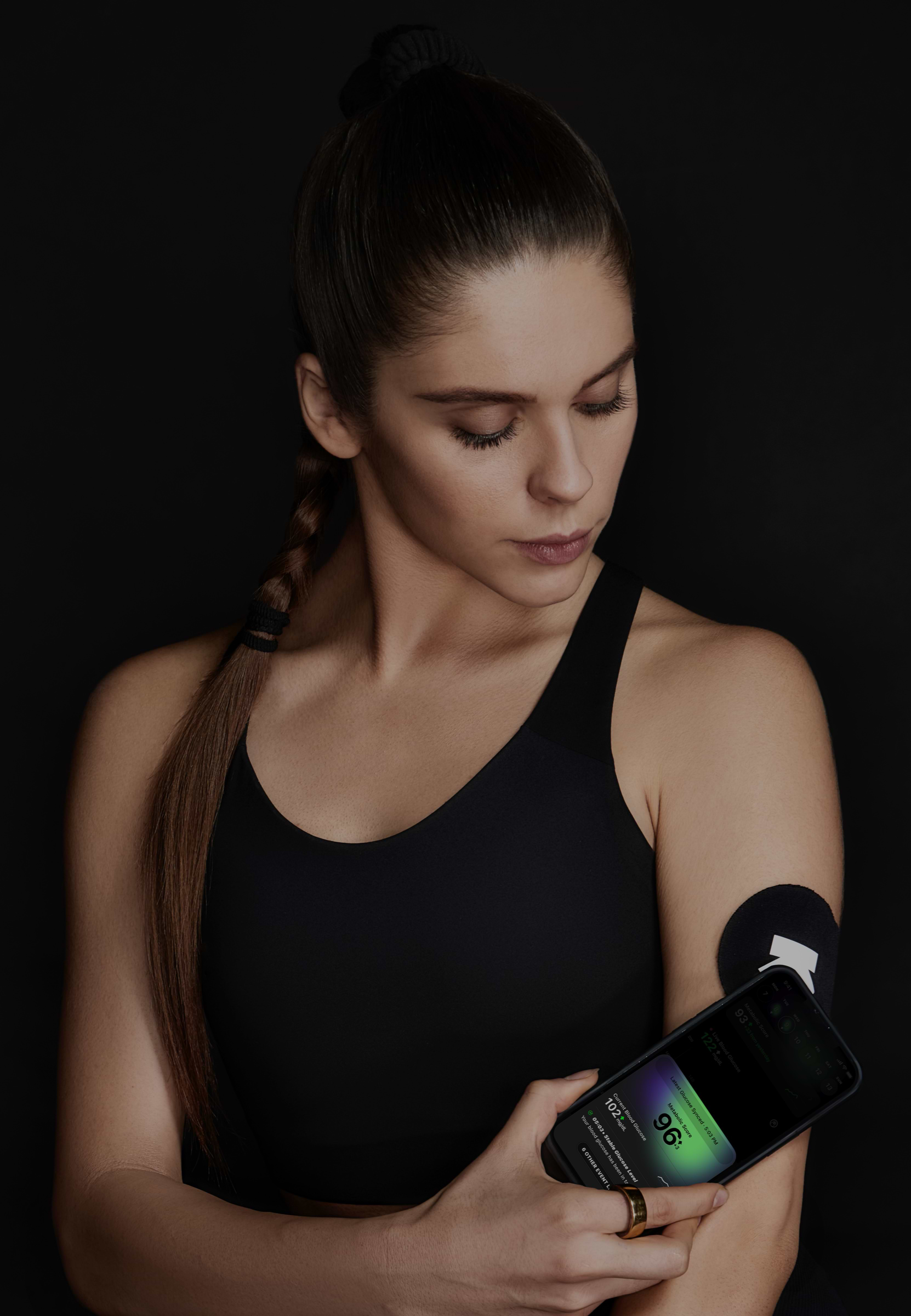
Ultrahuman M1 helps you measure the impact of food and activity on your body in real time through glucose as a biomarker.
Explore Ultrahuman M1Find Glucose response for your favourite foods
Explore OGDbYour cart is empty
Browse through our products and find something for you.