

Dinner (1 piece) and Dinner (1 piece)
 Dinner
144 mg/dL
avg. peak value
Usually causes a medium spike
Avg. Food Score on Ultrahuman App
Ultrahuman Users got an UNSTABLE response
How to consume Dinner | Dinner without glucose spikes
Portion Control
Reduce the size of your dinner portions to help manage the overall impact on your blood sugar levels.
Choose Whole Grains
Opt for whole grain options such as quinoa, barley, or whole oats instead of refined grains like white rice or pasta for your dinner.
Include Protein
Add a protein source like grilled chicken, fish, tofu, or legumes to your meal to slow down the absorption of carbohydrates.
Incorporate Healthy Fats
Use healthy fats such as avocados, nuts, seeds, or olive oil to help stabilize blood sugar levels.
Load Up on Vegetables
Add plenty of non-starchy vegetables such as broccoli, spinach, kale, or bell peppers to your plate for fiber and nutrients.
Opt for Low-Sugar Sauces
Use herbs and spices for flavor instead of sugary sauces or dressings.
Stay Hydrated
Drink water before and during your meal to help you feel full and prevent overeating.
Eat Slowly
Take your time while eating to allow your body to recognize when you've had enough, potentially reducing the likelihood of overeating.
Limit High-Sugar Desserts
Choose a piece of fruit like an apple or pear instead of high-sugar desserts.
Exercise After Dinner
Going for a walk or engaging in light exercise after your meal can help your body use up excess glucose.
Plan Balanced Meals
Aim to balance your meals with a mix of carbohydrates, protein, and fats to maintain stable blood sugar levels.
Monitor Your Blood Sugar
Keep track of your blood sugar levels before and after meals to better understand how different foods affect you, and adjust accordingly.
Discover
metabolic
health with M1
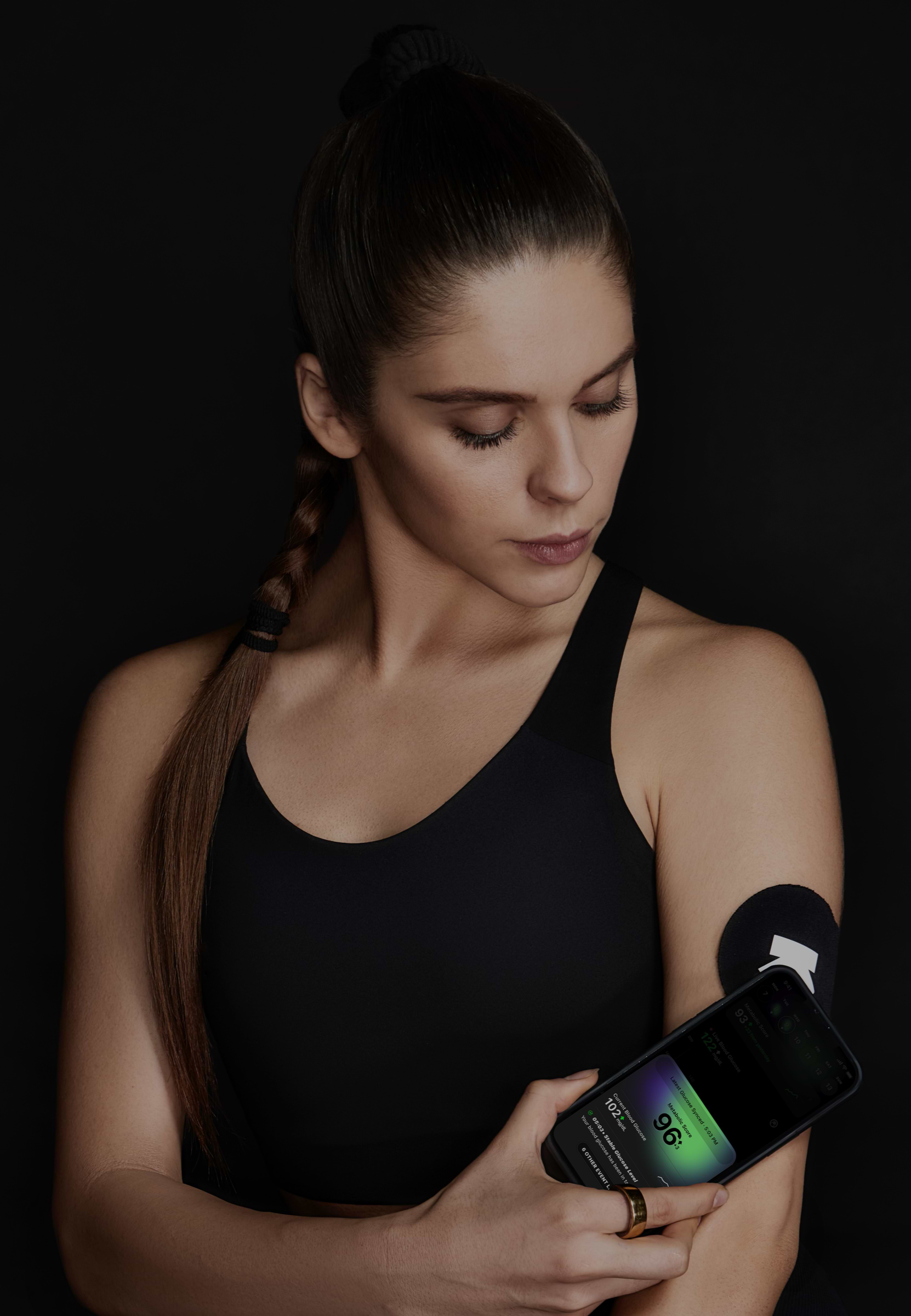
Ultrahuman M1 helps you measure the impact of food and activity on your body in real time through glucose as a biomarker.
Explore Ultrahuman M1Find Glucose response for your favourite foods
Explore OGDbYour cart is empty
Looks like you haven't added anything yet. Explore our products to get started.