


English Indian Bhindi Sabji (100 G) and Chapati (1 Piece)
 Lunch
Lunch
137 mg/dL
avg. peak value
Usually causes a medium spike
Avg. Food Score on Ultrahuman App
Ultrahuman Users got an UNSTABLE response
How to consume chapati, english indian bhindi sabji without glucose spikes
Portion Control
Start by reducing the portion size of the chapati. Instead of having multiple chapatis, try limiting yourself to one or one and a half, and balance the meal with additional low-impact foods.
Whole Grain Chapati
Switch to whole grain or multigrain flour for making chapatis. These options tend to have a slower impact on blood sugar levels due to their higher fiber content.
Include Protein
Add a source of lean protein to your meal, such as grilled chicken, tofu, or lentils. Protein helps in slowing down the digestion and absorption of carbohydrates.
Add Healthy Fats
Incorporate healthy fats like a small amount of avocado, a sprinkle of flaxseeds, or a few almonds. Healthy fats can aid in stabilizing blood sugar levels.
Fiber-Rich Vegetables
Increase the portion of bhindi (okra) sabji and add other non-starchy vegetables such as spinach, broccoli, or bell peppers. Fiber helps in moderating glucose spikes.
Stay Hydrated
Drink plenty of water throughout the day. Staying hydrated can help in managing blood sugar levels.
Physical Activity
Engage in light physical activity, such as a walk, after your meal. This can help in utilizing the glucose released into your bloodstream.
Meal Timing
Try to maintain regular meal timings and avoid skipping meals to prevent sudden spikes or drops in blood sugar levels.
Mindful Eating
Eat slowly and mindfully, savoring each bite. This can help you better recognize when you’re full and prevent overeating.
Monitor Blood Sugar
Keep track of your blood sugar levels to understand how different foods affect you. This can provide insights into further personalizing your dietary choices.
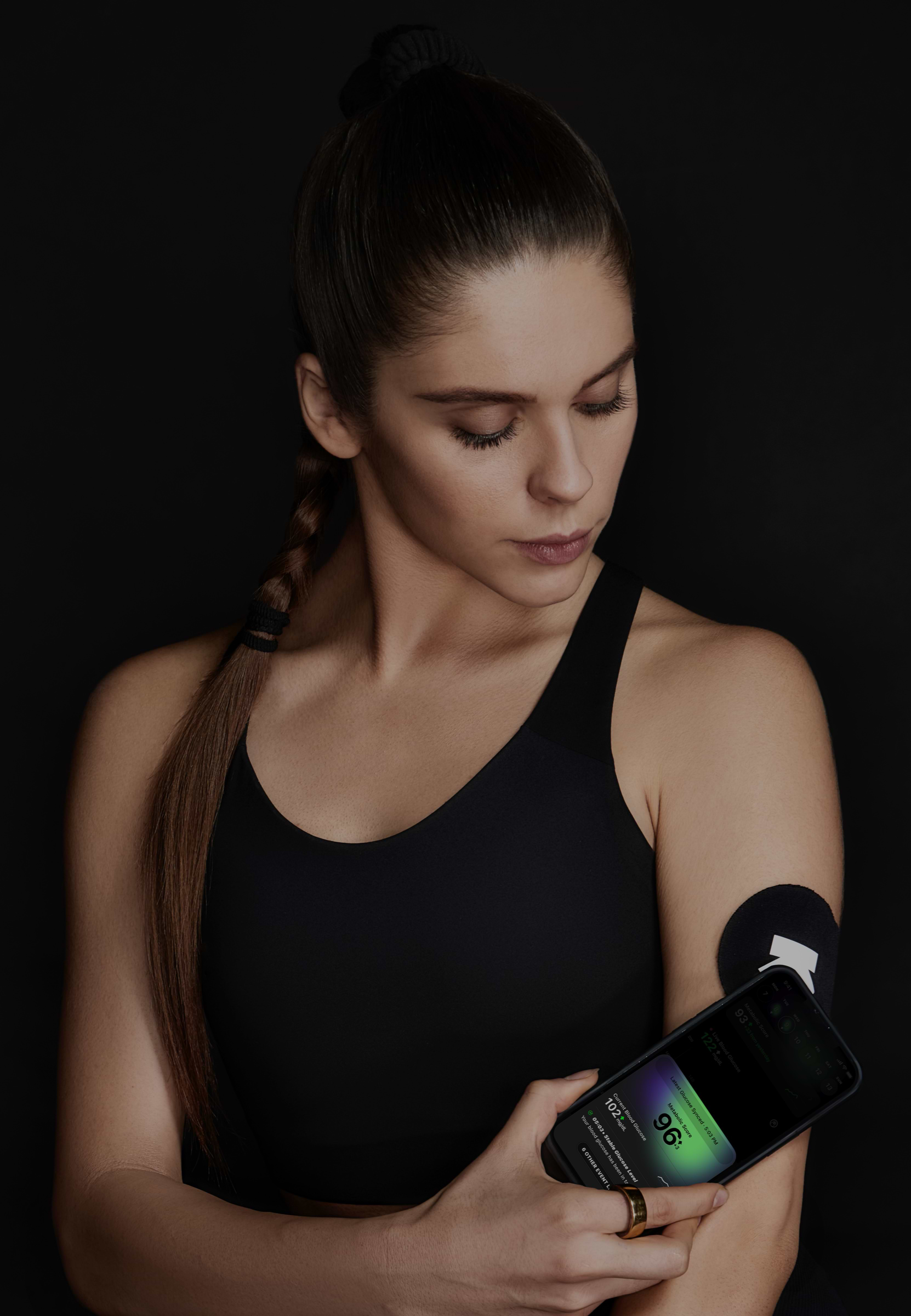
Discover
metabolic
health with M1
Ultrahuman M1 helps you measure the impact of food and activity on your body in real time through glucose as a biomarker.
Explore Ultrahuman M1Find Glucose response for your favourite foods
Explore OGDbYour cart is empty
Browse through our products and find something for you.