


Baked or Broiled Sea Bass (1 Fillet (6 1/2 Inches X 2 1/2 Inches X 3/8 Inches))
 Dinner
100 mg/dL
avg. peak value
Usually has a stable response
Avg. Food Score on Ultrahuman App
Ultrahuman Users got a STABLE response
Other related foods
- baked or fried coated chicken wing with skin
- baked beans
- baked or broiled salmon
- roasted broiled or baked chicken breast
- roasted broiled or baked chicken
- mixed salad greens roasted broiled or baked chicken
- roasted broiled or baked chicken breast skin not eaten
- roasted broiled or baked chicken wing skin eaten
- baked or broiled fish
- baked or broiled sea bass
How to consume baked or broiled sea bass without glucose spikes
Pair with Non-Starchy Vegetables
Consume sea bass alongside non-starchy vegetables like spinach, broccoli, or green beans. These vegetables are low in carbohydrates and can help moderate blood sugar levels.
Include Healthy Fats
Add healthy fats such as avocado, nuts, or olive oil to your meal. These fats can slow down the digestion process and help regulate blood sugar.
Opt for Whole Grains
If you want to include carbohydrates in your meal, choose whole grains like quinoa or barley, which are digested more slowly than refined grains.
Add a Source of Protein
Complement your sea bass with an additional protein source, such as a small serving of beans or lentils, to further stabilize blood sugar levels.
Stay Hydrated
Drink plenty of water with your meal. Staying hydrated can help in the proper metabolism of glucose.
Mind Portion Sizes
Keep an eye on the portion sizes of your meal to avoid excessive carbohydrate intake, which can lead to glucose spikes.
Include Vinegar-Based Dressings
Use vinegar-based dressings or a squeeze of lemon juice over your fish and salad. The acidity can help moderate blood sugar responses.
Eat Slowly and Mindfully
Take your time to eat and chew each bite thoroughly. Eating slowly can help your body better manage glucose levels.
Consider a Small Pre-Meal Snack
If your meal timing allows, have a small, balanced snack like a handful of almonds or a piece of cheese before your main meal to help stabilize glucose levels.
Incorporate Physical Activity
Engage in light physical activity, such as walking, after your meal to help your body utilize glucose more efficiently.
Discover
metabolic
health with M1
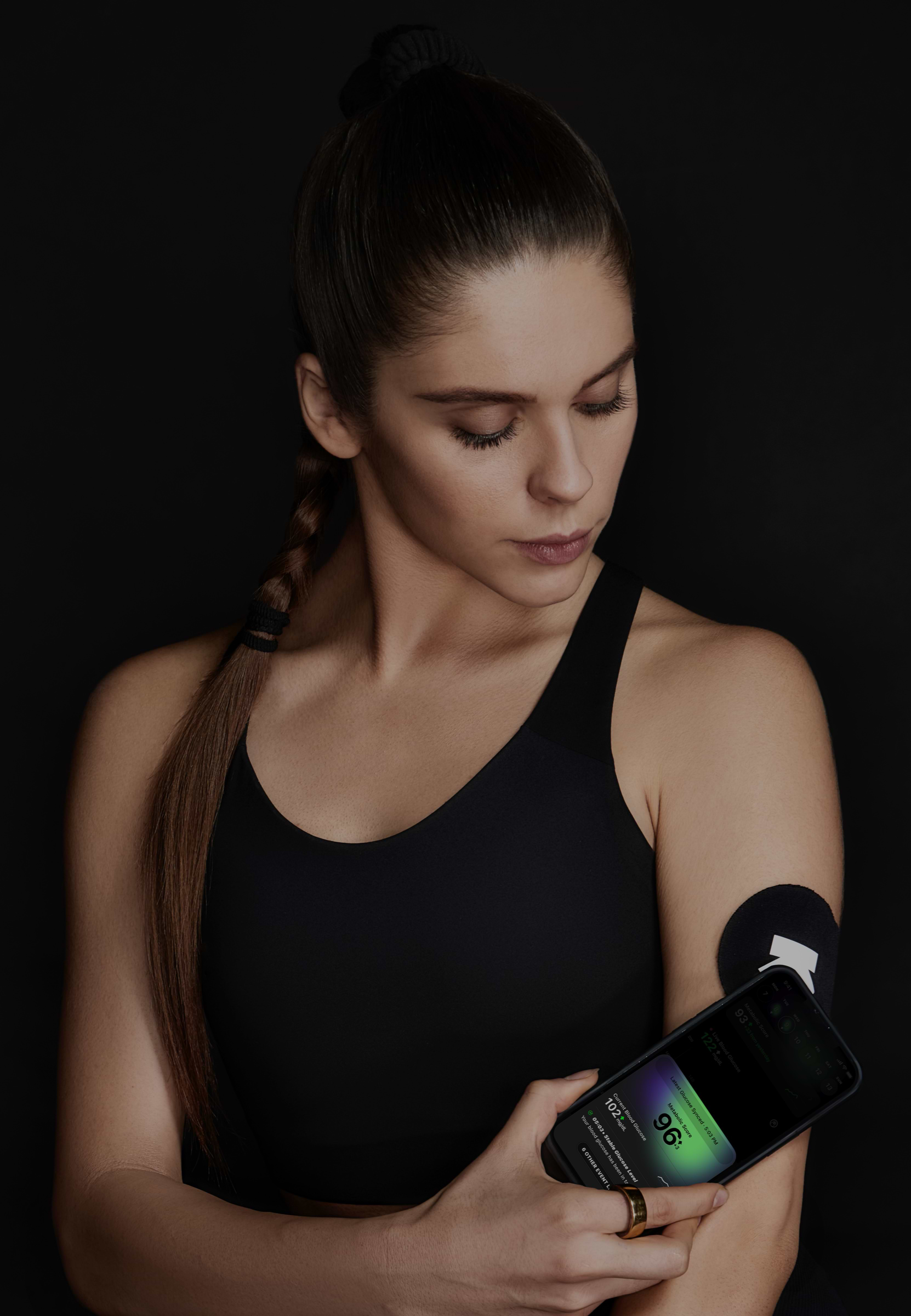
Ultrahuman M1 helps you measure the impact of food and activity on your body in real time through glucose as a biomarker.
Explore Ultrahuman M1Find Glucose response for your favourite foods
Explore OGDbYour cart is empty
Browse through our products and find something for you.