

Camel milk (1 piece)
 Midnight Snack
118 mg/dL
avg. peak value
Usually causes a small spike
Avg. Food Score on Ultrahuman App
Ultrahuman Users got a STABLE response
How to consume camel milk without glucose spikes
Pair with Fiber-Rich Foods
Include foods like oats, lentils, or quinoa in your meal to slow down glucose absorption.
Include Healthy Fats
Add sources of healthy fats such as avocados, nuts, or seeds to increase satiety and stabilize blood sugar levels.
Consume with Protein
Incorporate lean proteins like chicken, fish, or tofu to help moderate the glucose spike.
Portion Control
Monitor the amount of camel milk you consume to prevent excessive glucose intake.
Stay Active
Engage in light physical activity, such as a brisk walk, after consuming camel milk to help lower blood sugar levels.
Timing Matters
Drink camel milk as part of a balanced meal rather than on an empty stomach to mitigate spikes.
Stay Hydrated
Drink plenty of water throughout the day to support overall metabolic processes.
Monitor Carbohydrate Intake
Be mindful of the total carbohydrates in your meal and balance it with other macronutrients.
Include Vinegar
Add a splash of vinegar, like apple cider vinegar, to your meal to help lower blood sugar responses.
Choose Whole Grains
When eating grains, opt for whole grain options such as barley or buckwheat that are digested more slowly.
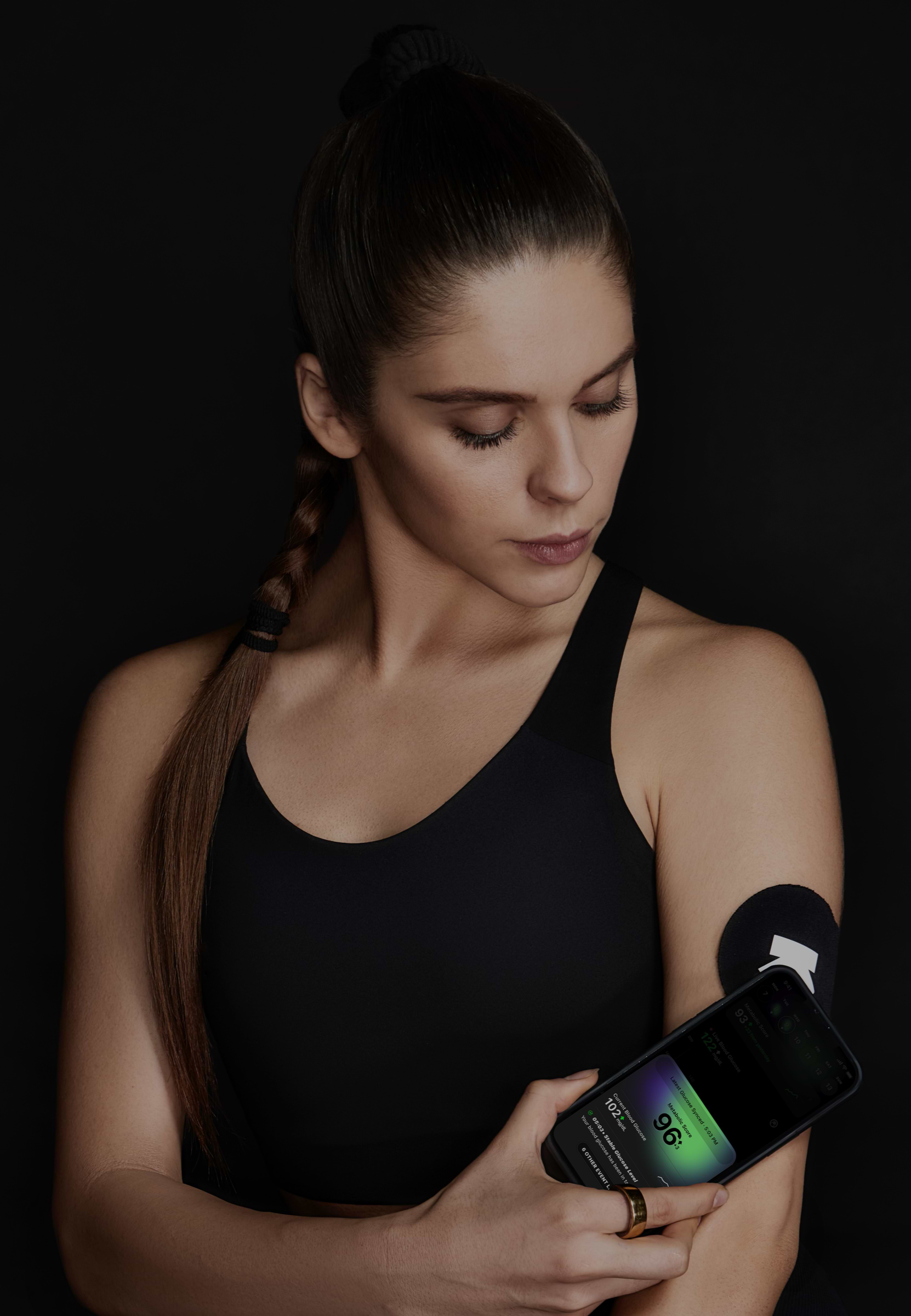
Discover
metabolic
health with M1
Ultrahuman M1 helps you measure the impact of food and activity on your body in real time through glucose as a biomarker.
Explore Ultrahuman M1Find Glucose response for your favourite foods
Explore OGDbYour cart is empty
Looks like you haven't added anything yet. Explore our products to get started.