
Loading...

Water (1 Cup (8 Fl Oz))

food-timeBreakfast

How to consume Water without glucose spikes

Combine with Protein

Pair watermelon with a source of protein, such as Greek yogurt, cottage cheese, or a handful of nuts. Protein can help slow down the digestion process and moderate blood sugar levels.

Add Healthy Fats

Include healthy fats like avocado, chia seeds, or a small serving of almond butter with your watermelon. Fats can slow the absorption of sugar into the bloodstream.

Eat Smaller Portions

Limit the portion size of watermelon you consume in one sitting. Smaller servings can help manage glucose levels more effectively.

Incorporate Fiber-Rich Foods

Pair watermelon with foods high in fiber, such as flaxseeds, berries, or a small portion of quinoa, to help slow the release of sugar into the bloodstream.

Choose Whole Watermelon Over Juice

Eat whole pieces of watermelon rather than drinking watermelon juice. The fiber in whole fruit aids in slowing sugar absorption.

Stay Hydrated

Drink plenty of water before and after eating watermelon. Adequate hydration can aid in better glucose regulation.

Monitor Meal Timing

Consider eating watermelon as part of a balanced meal rather than on an empty stomach. This approach can help mitigate spikes in glucose levels.

Exercise Regularly

Engage in physical activity post-meal, such as a brisk walk, to help your body utilize blood sugar more efficiently.

Practice Mindful Eating

Eat slowly and pay attention to hunger and fullness cues. Mindful eating can help in better glucose management.

Monitor Your Responses

Keep track of how your body responds to watermelon and adjust your portion sizes or combinations based on personal glucose monitoring feedback.

healthspan-mbl

Discover
metabolic
health with M1

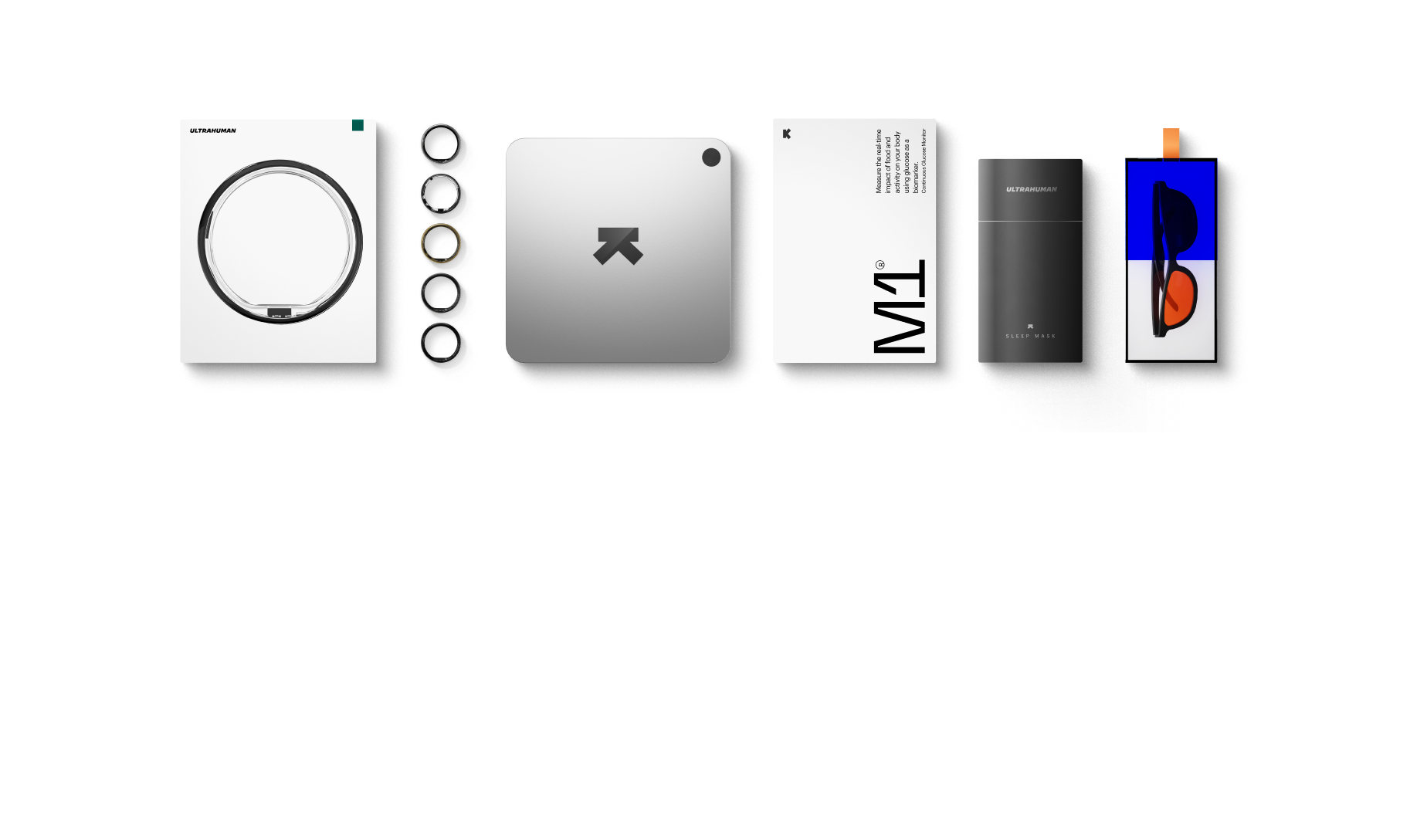
Ultrahuman M1 helps you measure the impact of food and activity on your body in real time through glucose as a biomarker.

Explore Ultrahuman M1

Find Glucose response for your favourite foods

Explore OGDb