
Loading...

Quinoa salad (1 piece)

food-timeLunch

134 mg/dL

avg. peak value

Usually causes a medium spike

5

Avg. Food Score on Ultrahuman App

67%

Ultrahuman Users got an UNSTABLE response

How to consume Quinoa Salad without glucose spikes

Portion Control

Start by reducing the portion size of quinoa in your salad. Consider using a smaller amount and balancing it out with more non-starchy vegetables.

Add Protein

Incorporate lean protein sources such as grilled chicken, tofu, or boiled eggs. Protein can help slow down carbohydrate absorption and stabilize blood sugar levels.

Include Healthy Fats

Add healthy fats like avocado slices, nuts, or seeds (such as chia or flax seeds). These fats can help moderate the impact of carbohydrates on your blood sugar.

Incorporate Non-Starchy Vegetables

Increase the amount of non-starchy vegetables like spinach, kale, cucumbers, bell peppers, and tomatoes. These are low in carbohydrates and can help balance the meal.

Choose a Low-Carb Dressing

Opt for dressings that are low in added sugars. Consider using olive oil and vinegar or lemon juice-based dressings.

Add Fiber-Rich Foods

Include foods high in fiber such as legumes (e.g., chickpeas, lentils), which can help slow digestion and prevent blood sugar spikes.

Timing of Eating

If possible, consume quinoa salad as part of a balanced meal rather than on its own. Eating with other foods can help slow the release of glucose into the bloodstream.

Hydration

Ensure you are well-hydrated throughout the day, as proper hydration can help in glucose regulation.

Regular Physical Activity

Engage in light physical activity, such as a short walk, after meals to help maintain stable blood sugar levels.

Monitor and Adjust

Keep track of how your body responds to different portions and compositions of your quinoa salad and adjust accordingly to find the best balance for your needs.

healthspan-mbl

Discover
metabolic
health with M1

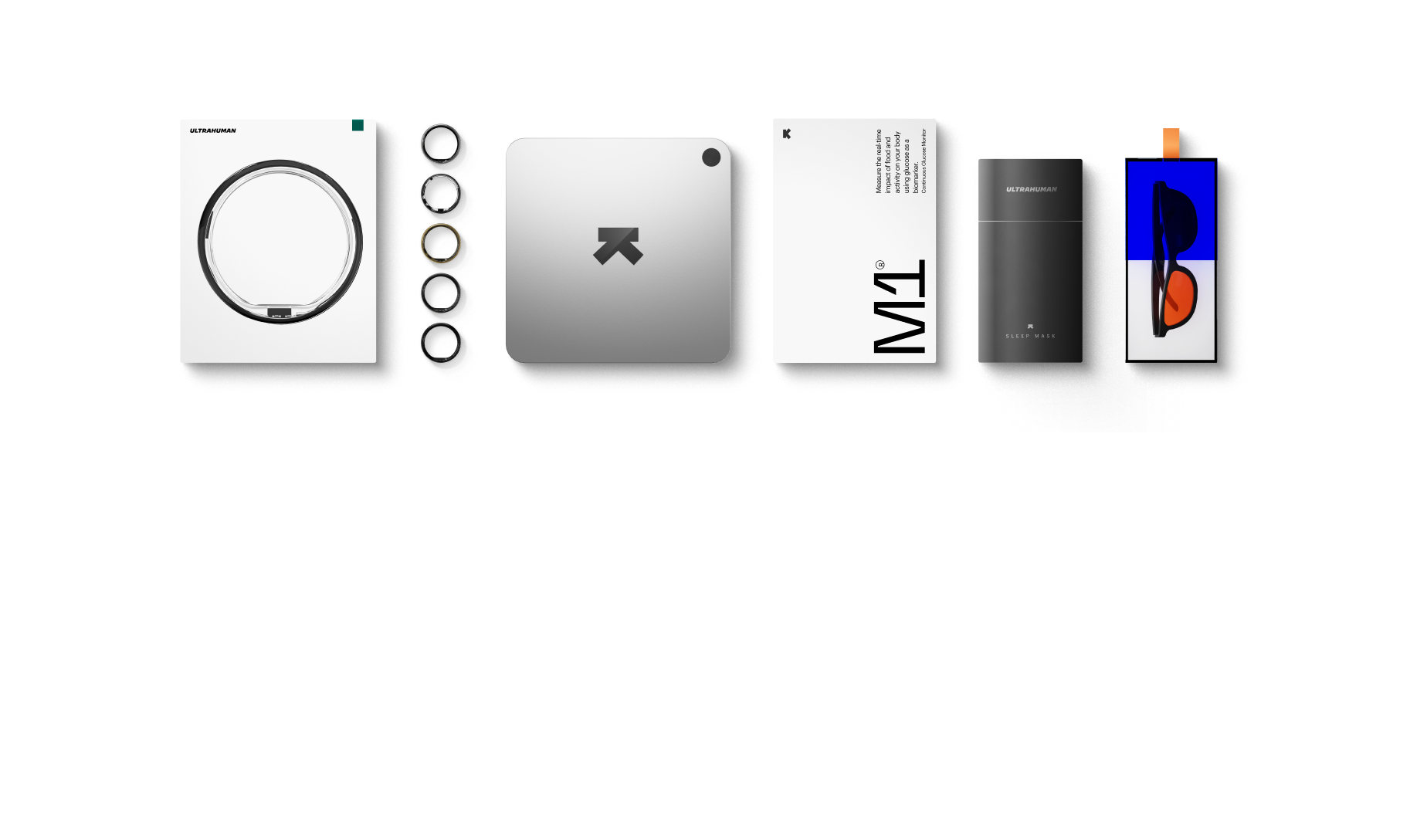
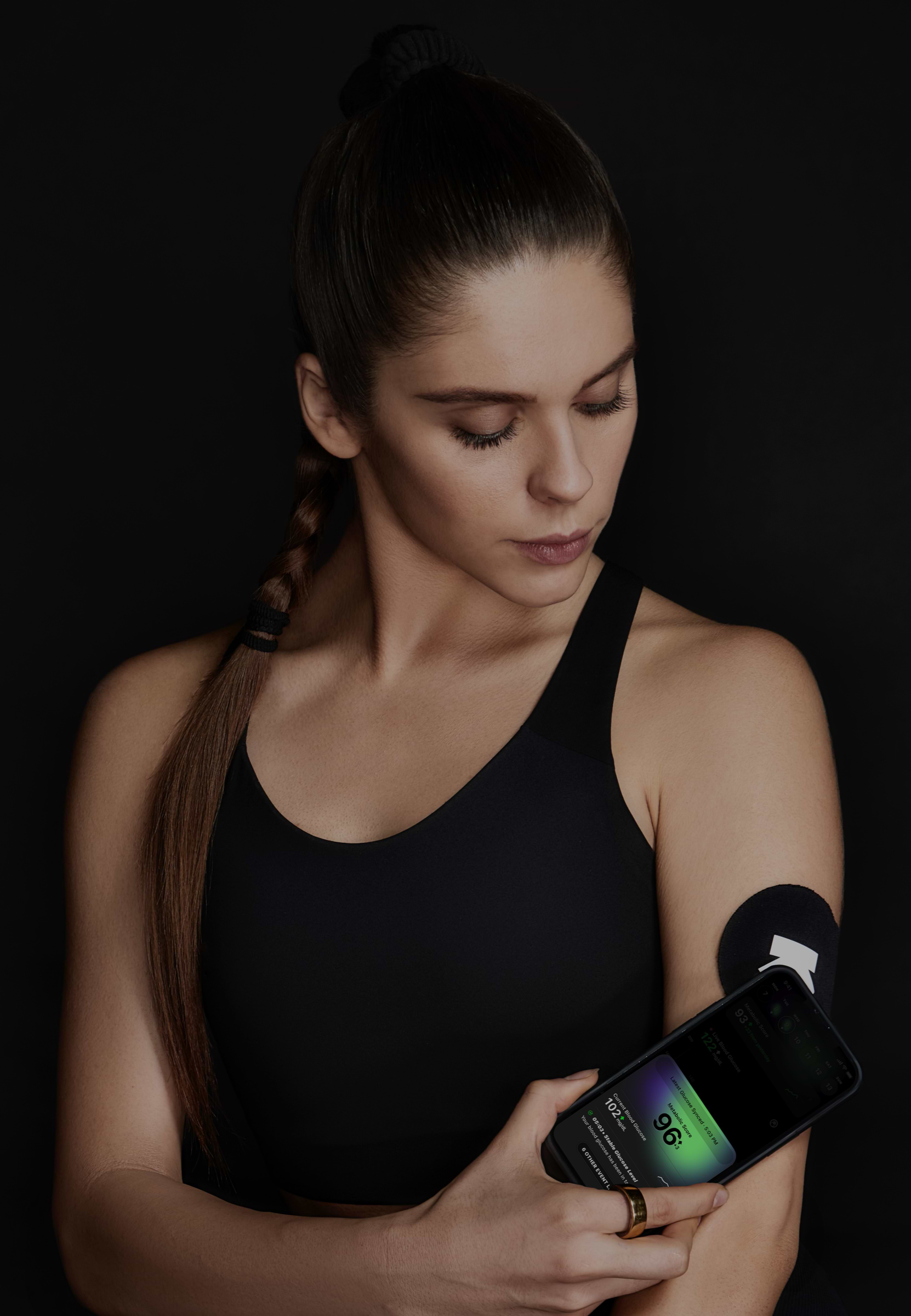
Ultrahuman M1 helps you measure the impact of food and activity on your body in real time through glucose as a biomarker.

Explore Ultrahuman M1

Find Glucose response for your favourite foods

Explore OGDb