
Loading...

How to consume Max Protein Professional without glucose spikes

Pair with Fiber-Rich Vegetables

Include vegetables like broccoli, spinach, or kale with your meal. Their high fiber content can help slow the absorption of glucose.

Add Healthy Fats

Incorporate sources of healthy fats, such as avocado, nuts, or olive oil, to your meal. These fats can help moderate glucose spikes.

Include Protein-Rich Foods

Complement your meal with lean proteins like chicken breast, turkey, or tofu. Protein can help balance blood sugar levels.

Choose Whole Grains

If you're consuming grains, opt for whole grains like quinoa or barley. Their complex carbohydrates digest more slowly.

Opt for Legumes

Adding beans or lentils to your meal can provide additional fiber and protein, both of which can reduce glucose spikes.

Hydrate Adequately

Drink water before and during your meal to aid digestion and prevent rapid glucose absorption.

Practice Portion Control

Be mindful of portion sizes to avoid overconsumption, which can lead to higher glucose spikes.

Incorporate Physical Activity

Engage in light exercise, like a walk, after eating to help your body process glucose more efficiently.

Eat Slowly

Taking your time to eat can aid digestion and allow your body to better regulate glucose levels.

Monitor Meal Timing

Try to have consistent meal timings to help your body maintain stable glucose levels throughout the day.

healthspan-mbl

Discover
metabolic
health with M1

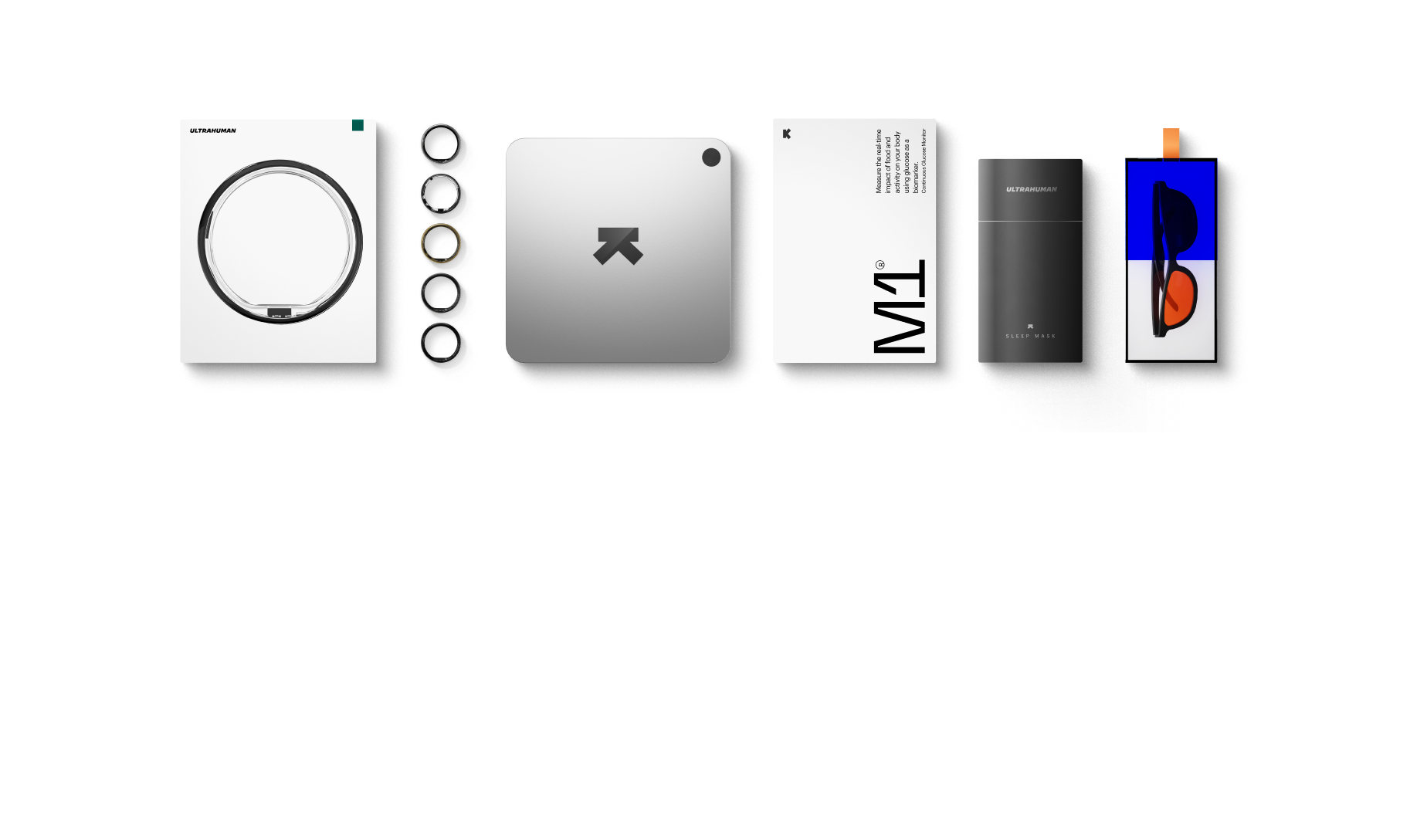
Ultrahuman M1 helps you measure the impact of food and activity on your body in real time through glucose as a biomarker.

Explore Ultrahuman M1

Find Glucose response for your favourite foods

Explore OGDb